Chemical Respirators in Kenya
Buy chemical respirators in Kenya from Bansi Suppliers for selected painting, chemical handling, manufacturing, agricultural spraying, industrial cleaning and maintenance applications. We supply reusable half-face respirators, double-cartridge masks, full-face respirators, compatible filters and replacement cartridges for corporate and industrial procurement.
Reusable Respirators
Half-face and full-face respirator options for repeated industrial use when correctly inspected, cleaned, fitted and maintained.
Filters and Cartridges
Replacement filtration components for compatible respirator systems and identified workplace contaminants.
Bulk Corporate Supply
Procurement support for factories, contractors, institutions, workshops, farms and industrial projects.
Delivery Across Kenya
Coordinate respirator delivery to offices, factories, workshops, farms, laboratories and project locations.
Reusable Respirators for Gases, Vapours, Mists and Industrial Work
Bansi Suppliers helps businesses source suitable respiratory protection according to the stated chemical, application, respirator model, filter or cartridge specification and workplace requirements.
What Is a Chemical Respirator?
A chemical respirator is a respiratory protection device designed to reduce exposure to specified gases, vapours or combinations of airborne contaminants when used with an approved and compatible cartridge or filter.
Most reusable systems use either a half-face respirator covering the nose and mouth or a full-face respirator covering the eyes, nose and mouth.
For a broader comparison of disposable masks, reusable facepieces and industrial respiratory equipment, visit our respirators in Kenya buying page.
What to Include in Your Quotation Request
To help us review available respiratory protection options, send:
- The chemical, paint or product being handled
- The current Safety Data Sheet where available
- The identified gas, vapour, mist, fume or particle
- The respirator brand or model currently used
- The required cartridge or filter specification
- The quantity required
- The delivery location and required date
Browse Reusable Respirators, Filters and Cartridges
Compare available respiratory equipment for industrial, painting, chemical-handling and maintenance applications. Open an individual product to review its current description, price and ordering details.
-
Bulk Dust Masks in Kenya, Respiratory Equipment, Safety Equipment Suppliers In Kenya, Safety Items
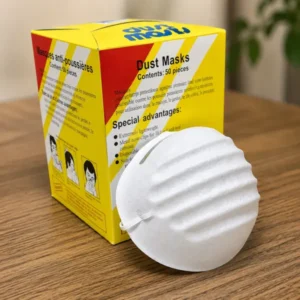
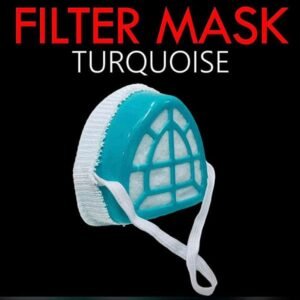
Disposable Respirator in Kenya
Original price was: KSh1,200.KSh900Current price is: KSh900. + VATOrder via WhatsApp -
Eye and Face Protection, Respirators in Kenya, Respiratory Equipment, Safety Equipment Suppliers In Kenya, Safety Items
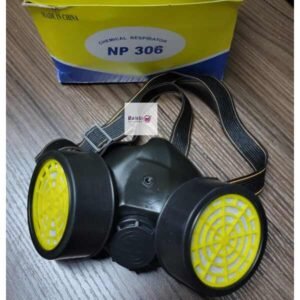
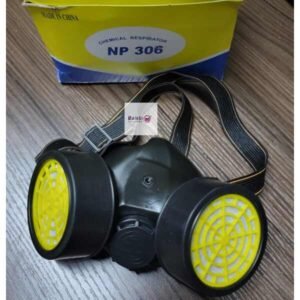
Double Respirator Mask (NP306)
Original price was: KSh900.KSh550Current price is: KSh550. + VATOrder via WhatsApp -
Eye and Face Protection, Respirators in Kenya, Respiratory Equipment, Safety Equipment Suppliers In Kenya, Safety Items
Double Respirator Mask Price in Kenya
Original price was: KSh600.KSh550Current price is: KSh550. + VATOrder via WhatsApp -
Respirators in Kenya, Respiratory Equipment, Safety Equipment Suppliers In Kenya, Safety Items
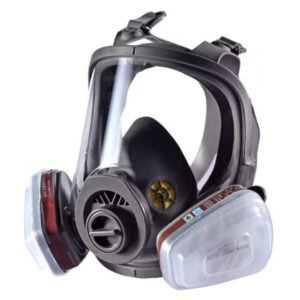
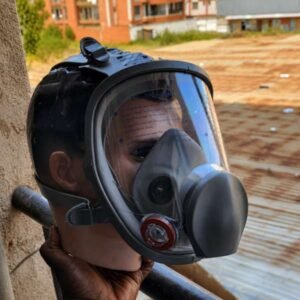
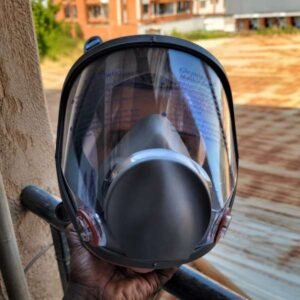
Full Face Respirator in Kenya
Original price was: KSh8,000.KSh6,500Current price is: KSh6,500. + VATOrder via WhatsApp -
Respirators in Kenya, Respiratory Equipment, Safety Equipment Suppliers In Kenya, Safety Items
Gas Respirator Single Cartridge NP305
Original price was: KSh500.KSh400Current price is: KSh400. + VATOrder via WhatsApp -
Respirators in Kenya, Respiratory Equipment, Safety Equipment Suppliers In Kenya, Safety Items
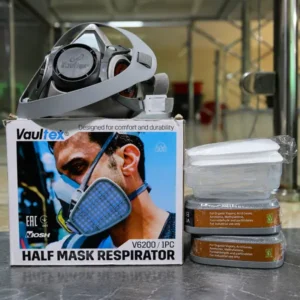
Half Face Respirator Kenya
Original price was: KSh3,500.KSh2,800Current price is: KSh2,800. + VATOrder via WhatsApp -
Respirators in Kenya, Respiratory Equipment, Safety Equipment Suppliers In Kenya, Safety Items
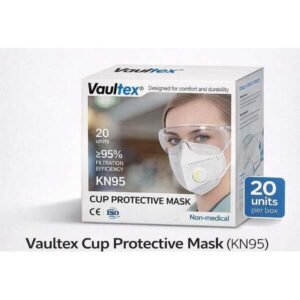
KN95 Mask Price in Kenya
Original price was: KSh3,000.KSh1,800Current price is: KSh1,800. + VATOrder via WhatsApp -
Respirators in Kenya, Respiratory Equipment, Safety Equipment Suppliers In Kenya, Safety Items
NP306 Double Respirator Mask
Original price was: KSh600.KSh550Current price is: KSh550. + VATOrder via WhatsApp





Choose a Chemical Respirator Configuration
The correct facepiece and filtration system depend on the identified contaminant, required protection, workplace conditions and approved product configuration.
Single-Cartridge Respirator
A reusable facepiece fitted with one centrally positioned compatible filtration component. Selected models may suit approved painting, spraying, cleaning and maintenance applications.
Double-Cartridge Respirator
A reusable half-face respirator using two side-mounted cartridges or filters. This configuration is widely used for selected industrial, painting and chemical-handling requirements.
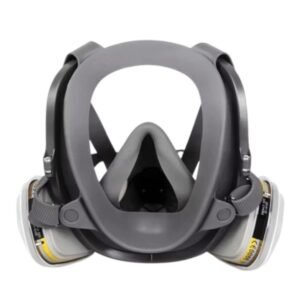
Full-Face Chemical Respirator
Full-face respirators provide respiratory coverage together with additional eye and face coverage. They may be selected where the assessed hazard requires a compatible full-face system.
Chemical Respirators for Industrial Applications
Respirator suitability is determined by the actual contaminant and exposure conditions—not by the industry name alone.
Respirators for Spray Painting
Spray-painting and coating tasks can generate paint mists together with solvent or organic vapours. The selected system may require compatible particulate and vapour filtration.
Compare options on our paint respirators in Kenya page.
Respirators for Chemical Handling
Chemical transfer, mixing, preparation, cleaning and maintenance may expose workers to gases, vapours, mists or combination hazards.
Provide the product name and Safety Data Sheet when requesting a chemical-handling respirator quotation.
Respirators for Manufacturing
Manufacturing operations may involve solvents, coatings, adhesives, cleaning agents, fumes and airborne particles requiring application-specific respiratory protection.
Respirators for Automotive Refinishing
Body shops and refinishing facilities may require respiratory protection for preparation, spraying, coating and solvent-cleaning operations.
Respirators for Industrial Cleaning
Selected degreasers, solvents and industrial cleaning chemicals may release vapours or mists. Product selection should be based on the SDS and workplace assessment.
Respirators for Agricultural Spraying
Agricultural chemical handling and spraying may involve particles, droplets or vapours. Use only respirators and filters approved for the identified product and task.
Chemical Respirator Supply for Kenyan Workplaces
We support procurement teams sourcing reusable respiratory equipment for different commercial and industrial environments.
Manufacturing Plants
Respirators, filters and cartridges for selected production, coating, processing, cleaning and maintenance tasks.
Painting Contractors
Reusable facepieces and compatible filtration options for selected spray-painting and coating applications.
Chemical Facilities
Respiratory equipment procurement based on the stated chemical, SDS, exposure conditions and required product specification.
Agriculture and Flower Farms
Respiratory protection for selected spraying, pesticide handling, chemical preparation and greenhouse operations.
Laboratories
Application-specific respiratory equipment for suitable laboratory procedures involving identified airborne contaminants.
Pharmaceutical Companies
Respirator supply for selected handling, cleaning, maintenance and production support requirements.
Automotive Workshops
Respirators for selected painting, solvent use, cleaning, coating and workshop-maintenance applications.
Industrial Contractors
Corporate respirator quotations for shutdowns, maintenance contracts, projects and workforce mobilisation.
How to Choose a Chemical Respirator
Do not choose a respirator based only on price, appearance, cartridge colour or a general description such as “chemical mask.”
1. Identify the Chemical
Record the product name, ingredients, physical form and current Safety Data Sheet.
2. Identify the Airborne Hazard
Determine whether the workplace hazard is a gas, vapour, mist, fume, particle or combination.
3. Assess Exposure Conditions
Consider concentration, task duration, ventilation, temperature, humidity and frequency of exposure.
4. Select the Facepiece
Compare half-face and full-face respirators according to required respiratory, eye and facial coverage.
5. Select Compatible Filtration
Match the filter or cartridge to the identified contaminant and confirm compatibility with the respirator model.
6. Establish Replacement Procedures
Create an inspection, cleaning, storage and cartridge-change schedule based on usage and manufacturer instructions.
Half-Face vs Full-Face Chemical Respirators
Choose the facepiece according to the hazard assessment, required coverage and approved filtration system.
Half-Face Chemical Respirators
Half-face respirators cover the nose and mouth while leaving the eyes exposed. Separate compatible eye protection may be required where chemicals, mist or splashes present an eye hazard.
- Compact reusable facepiece
- Single or double-cartridge options
- Suitable for approved filters and cartridges
- Requires a secure face seal
- May require separate goggles or face protection
Full-Face Chemical Respirators
Full-face respirators cover the eyes, nose and mouth. They may be selected where additional facial coverage is required and the respirator is approved for the identified application.
- Combined respiratory and facial coverage
- Wide viewing lens on selected models
- Compatible filter or cartridge system required
- Requires inspection of seals, valves and lens
- Fit testing remains essential
Chemical Cartridges, Particulate Filters and Combination Systems
Filters and cartridges perform different functions and are not interchangeable unless the manufacturer approves the complete configuration.
Gas and Vapour Cartridges
Chemical cartridges are designed for specified gases, vapours or contaminant groups. One cartridge does not protect against every chemical.
Particulate Filters
Particulate filters are intended for selected dusts, mists or fumes. They do not automatically protect against gases or vapours.
Explore related respirator filters in Kenya .
Combination Filtration
Some applications involve both particles and vapours. These may require an approved cartridge, pre-filter, retainer and facepiece combination.
Compatibility
Confirm the respirator manufacturer, facepiece model, connection system and approved filtration components before ordering.
Storage and Expiry
Check packaging condition, expiry information and storage requirements before installing a cartridge or filter.
Cartridge Change Schedule
Replace cartridges according to a documented schedule. Do not rely only on smell, taste or irritation as a replacement warning.
Important Chemical Respirator Limitations
Air-purifying chemical respirators are application-specific and have important limitations that must be considered before use.
They Do Not Supply Oxygen
Cartridge respirators filter surrounding air. They do not provide an independent oxygen supply and must not be used in oxygen-deficient or unknown atmospheres.
Fit Testing Is Required
Tight-fitting respirators depend on an effective seal between the facepiece and the wearer. Facial hair, poor adjustment and damaged seals can affect protection.
Training Is Essential
Workers should understand inspection, fitting, seal checks, cleaning, storage, cartridge replacement and emergency procedures.
How to Request a Chemical Respirator Quotation
Submit your application and procurement details for available product options and commercial pricing.
1. Share the Application
Send the chemical, painting process, spraying task, maintenance job or industrial application.
2. Confirm the Specification
Provide the respirator type, brand, model, cartridge code or filter classification where known.
3. Request Commercial Pricing
Include the required quantities, delivery location, required date and corporate documentation needs.
4. Confirm Supply
Review the quotation and confirm the selected respirator, compatible components and delivery arrangement.
Explore More Respiratory Protection Equipment
Compare respiratory protection according to the airborne hazard, facepiece design, filtration system and workplace application.
Respirators in Kenya
Explore the complete industrial respiratory protection range.
View respirator solutionsReusable Respirators
Compare reusable facepieces for compatible filters and cartridges.
View reusable respiratorsHalf-Face Respirators
Reusable respirators covering the nose and mouth.
View half-face respiratorsFull-Face Respirators
Respirators offering additional eye and facial coverage.
View full-face respiratorsRespirator Filters
Replacement filters for compatible reusable respirator systems.
View respirator filtersPaint Respirators
Respiratory equipment for selected spray-painting and coating tasks.
View painting respiratorsDust Respirators
Respiratory protection for selected workplace dust hazards.
View dust respiratorsWelding Respirators
Respiratory options for assessed welding and metalworking hazards.
View welding respiratorsWhy Businesses Choose Us for Chemical Respirators
We support corporate procurement teams requiring respiratory equipment, quotations, documentation and coordinated delivery.
RFQ and BOQ Support
Submit formal procurement documents, Excel lists, product codes or respirator specifications for quotation.
Bulk Respirator Supply
Request pricing for workforce requirements, projects, factories, institutions and repeat procurement.
Product Matching Support
Provide the respirator model, chemical or filter code so available compatible products can be reviewed.
Nationwide Delivery
Coordinate delivery to Nairobi and commercial or industrial locations across Kenya.
Frequently Asked Questions About Chemical Respirators in Kenya
Answers to common questions from procurement officers, safety managers, contractors and industrial buyers.
Where can I buy chemical respirators in Kenya?
Bansi Suppliers supplies reusable respirators, compatible filters and cartridges for selected chemical, painting and industrial applications. Contact us with your application and required quantity for pricing.
Which respirator is suitable for chemical handling?
Suitability depends on the identified chemical, airborne contaminant, concentration, task duration, ventilation and approved respirator configuration. Provide the Safety Data Sheet when requesting assistance.
Can one respirator cartridge protect against every chemical?
No. Chemical cartridges are designed for specific gases, vapours or contaminant groups. The cartridge must match the identified chemical and compatible respirator model.
Can chemical respirators be used for spray painting?
Selected reusable respirators may be suitable for approved spray-painting applications when fitted with compatible filtration for the identified particles and vapours.
What is the difference between a filter and a cartridge?
Particulate filters capture selected dusts, mists or fumes, while chemical cartridges are designed for specified gases or vapours. Combination hazards may require an approved combined system.
How often should respirator cartridges be changed?
Replacement depends on contaminant type, concentration, usage, temperature, humidity, storage and manufacturer instructions. A documented cartridge-change schedule should be followed.
Can any cartridge fit any respirator?
No. Cartridges and filters must be compatible with the respirator manufacturer, facepiece model, connection system and approved product configuration.
Do you provide bulk chemical respirator quotations?
Yes. Bansi Suppliers prepares corporate quotations for factories, contractors, farms, institutions, workshops and industrial projects requiring respirators, filters or cartridges.
Request a Chemical Respirator Quotation in Kenya
Send the chemical or application, respirator type, filter or cartridge specification, quantity, delivery location and required date. Our procurement team will review the requirement and provide available options and commercial pricing.