Safety Boots Suppliers in Kenya – Bulk & Corporate Safety Footwear
Bansi Suppliers supports companies, contractors, factories, warehouses, institutions and project teams sourcing safety boots in Kenya for employee, departmental and project requirements.
Submit your required footwear model or protection level, quantity, employee size breakdown, workplace application, specification and delivery location for a structured safety footwear quotation.
We support procurement teams comparing safety footwear for construction, manufacturing, logistics, engineering, maintenance, facilities and other workplace applications — with emphasis on selecting the right specification rather than simply the cheapest boot.
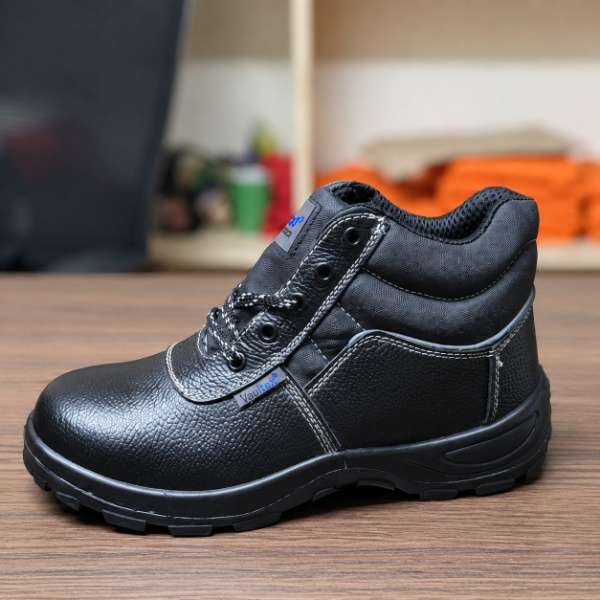
Safety Boots Supply for Companies & Projects
Organize safety footwear requirements according to models, specifications, quantities and employee sizes.
Bulk Safety Boots Supply
Consolidate footwear requirements for employee teams, projects, departments and operational sites.
Structured Quotations
Submit footwear models, required specifications, quantities and sizes for formal quotation preparation.
Corporate PPE Procurement
Combine safety boots with helmets, gloves, workwear and other PPE in one coordinated procurement requirement.
Browse Safety Boots & Protective Footwear
Explore available safety footwear and check individual product pages for current specifications, sizes, availability and product information.
-
Foot Protection, Safety Equipment Suppliers In Kenya, Safety Items, Safety Shoes
Ace Duma Safety Shoes
Original price was: KSh4,500.KSh3,500Current price is: KSh3,500. + VAT Order via WhatsApp -
Foot Protection, Gumboots, Safety Equipment Suppliers In Kenya, Safety Items
Adix Gumboots
Original price was: KSh2,500.KSh1,500Current price is: KSh1,500. + VAT Order via WhatsApp -
Foot Protection, Safety Equipment Suppliers In Kenya, Safety Items, Safety Shoes
Askari Boot Price in Kenya
Original price was: KSh2,800.KSh2,200Current price is: KSh2,200. + VAT Order via WhatsApp -
 Select options This product has multiple variants. The options may be chosen on the product pageQuick View
 -
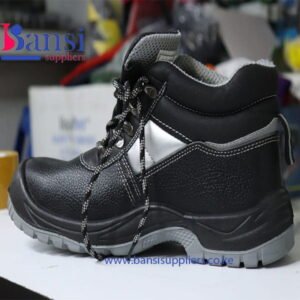
Foot Protection, Safety Equipment Suppliers In Kenya, Safety Items, Safety Shoes, Ultimate Plus Industrial Safety Boots Kenya
Best Steel Toe Safety Boot
Original price was: KSh3,500.KSh2,500Current price is: KSh2,500. + VAT Order via WhatsApp -
Foot Protection, Safety Equipment Suppliers In Kenya, Safety Items, Safety Shoes
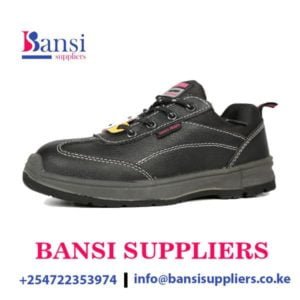
Bestgirl Safety Jogger Price in Kenya
Original price was: KSh5,800.KSh4,300Current price is: KSh4,300. + VAT Order via WhatsApp -
Foot Protection, Gumboots, Safety Equipment Suppliers In Kenya, Safety Items, Safety Shoes
Cp Light Duty Black Gumboots
Original price was: KSh1,500.KSh800Current price is: KSh800. + VAT Order via WhatsApp -
Foot Protection, Safety Equipment Suppliers In Kenya, Safety Items, Safety Shoes
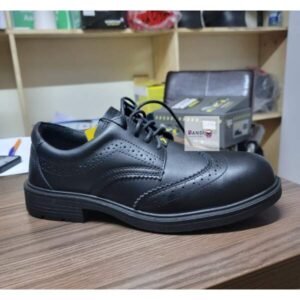
Executive Manager Safety Jogger Safety Boots
Original price was: KSh9,000.KSh7,500Current price is: KSh7,500. + VAT Order via WhatsApp -

-
Foot Protection, Gumboots, Safety Equipment Suppliers In Kenya, Safety Items
Gumboots Price
Original price was: KSh2,800.KSh1,100Current price is: KSh1,100. + VAT Order via WhatsApp


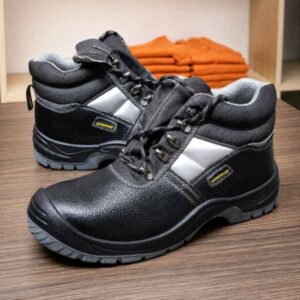



How to Choose Safety Boots for Your Workforce
A safety boot should be selected from the workplace hazard, worker task and required protection — not from appearance, brand name or price alone.
Use the factors below to build a clearer footwear specification before requesting a quotation.
1. Toe Protection
Where workers are exposed to impact or compression hazards, specify the required protective toe-cap performance. Do not assume every work boot has a safety toe.
2. Penetration Resistance
Construction, fabrication and some industrial environments may expose workers to nails, sharp offcuts or other objects underfoot. Confirm whether penetration-resistant footwear is required.
3. Slip Performance
Consider the actual working surface and contaminants present. Wet floors, oils, smooth tiles and industrial surfaces can require different outsole performance.
4. Water Exposure
Water-resistant uppers and fully waterproof footwear are not the same. Outdoor, wet-process and wash-down environments should be specified carefully.
5. Heat, Oil & Fuel Exposure
If workers operate around hot surfaces, hydrocarbons, fuel or oils, request footwear with documented properties suitable for that exposure.
6. Electrical & ESD Requirements
Anti-static, ESD and electrically insulating footwear are different concepts. Never assume an ordinary safety boot provides electrical protection.
7. Boot Height & Ankle Coverage
Low-cut shoes may suit some indoor roles, while higher-cut boots may be preferred for selected construction, field and outdoor applications.
8. Fit, Comfort & Shift Length
Consider correct sizing, width, cushioning, breathability, weight and the amount of walking or standing expected during a shift.
9. Required Standard
Where a tender, client, project or company policy requires a safety classification or standard, include it in the RFQ and verify the exact model documentation.
Safety Boots Selection by Workplace Hazard
Use this as a procurement starting point. The final footwear must still be checked against the exact workplace risk, required standard and manufacturer documentation.
Falling or Rolling Objects
Consider safety footwear with a documented protective toe cap appropriate to the required safety classification.
Nails & Sharp Objects Underfoot
Consider footwear with documented penetration resistance where the workplace risk assessment identifies this hazard.
Wet or Slippery Floors
Review slip-performance markings, outsole design and the actual floor condition rather than relying only on the phrase “anti-slip.”
Outdoor & Wet Work
Decide whether water-resistant upper performance is enough or whether the job requires fully waterproof footwear.
Oils & Hydrocarbons
Request documented outsole properties such as fuel-oil resistance where relevant to the workplace.
Hot Surfaces
Where heat exposure is part of the task, specify the required heat-resistance performance and verify the exact footwear marking.
Long Walking & Standing
Balance required protection with weight, fit, cushioning, breathability and the employee's daily movement.
Metal-Sensitive Workplaces
Where metal-free footwear is operationally important, confirm the toe-cap and penetration-resistant components of the exact model.
Electronics & Static Control
If ESD control is required, specify it separately. ESD footwear should not be confused with electrical-insulating footwear.
Corporate Safety Boots Supplier in Kenya
Workplace footwear procurement becomes more complex when an organization requires multiple models, different employee sizes, site-specific specifications or repeat supply.
Bansi Suppliers helps procurement departments, contractors, safety officers, operations teams and project managers organize safety footwear requirements for quotation.
Rather than treating each pair as an isolated purchase, companies can submit consolidated requirements covering workers, departments, projects or operational sites.
Safety footwear should be selected according to the actual workplace, identified hazards, wearer fit and required documented product specifications.
Types of Safety Footwear for Workplace Requirements
Protective footwear is available in different styles and constructions. Selection should follow the worker's task, workplace environment and required protection.
Industrial Safety Boots
Protective workplace footwear for suitable construction, manufacturing, engineering, workshop and operational applications.
Steel Toe Safety Boots
Selected footwear models may incorporate protective steel toe caps. Confirm the exact model specification where toe protection is required.
Safety Shoes
Lower-profile protective footwear may suit selected technicians, supervisors, warehouse teams and other workplace roles.
High-Ankle Safety Boots
Higher-cut footwear can provide additional coverage for suitable construction, industrial and outdoor applications.
Executive Safety Shoes
Professional-style workplace footwear may suit selected engineers, supervisors and technical personnel.
Specialist Safety Footwear
Where specialist protection is required, confirm that the exact product documentation supports the intended use.
Understanding Safety Boot Specifications Before You Buy
Safety footwear markings communicate different protective properties. The meaning of a marking should be checked against the standard shown on the exact model's documentation, because footwear certified under different editions of a standard may use different markings.
SB
Basic safety-footwear classification under EN ISO 20345, including the standard's required toe-protection performance. Additional properties must be specified separately.
S1 / S1P
Common indoor or drier-workplace classifications. S1P adds penetration resistance, but buyers should verify which standard edition and penetration marking applies to the exact model.
S2
Adds water-penetration and absorption performance for the upper to the relevant S1-type requirements. This should not automatically be interpreted as a completely waterproof boot.
S3
A widely requested industrial classification combining multiple protective properties, including penetration resistance and water-related upper performance. Verify the exact model certificate.
S6 / S7
Under EN ISO 20345:2022, S6 and S7 identify footwear with additional whole-footwear water resistance. S7 builds on an S3-type platform.
SR
Additional slip-resistance marking used under EN ISO 20345:2022. Older footwear certificates may instead show SRA, SRB or SRC markings.
P / PL / PS
Penetration-resistance markings under the 2022 standard vary according to the protective insert and test method. Confirm the exact marking required by your specification.
FO
Indicates resistance of the outsole to fuel oil where this additional property has been tested and marked.
HRO
Indicates an outsole tested for contact heat resistance. This is relevant only where the exact work environment requires it.
WPA / WR
WPA relates to water penetration and absorption of the upper, while WR refers to water resistance of the whole footwear. They should not be treated as identical.
SC
Scuff-cap abrasion resistance can be relevant where workers kneel or frequently abrade the toe area during the job.
LG
Ladder-grip performance is an additional marking that can be relevant for specific work involving ladders and similar access equipment.
Not Every Safety Boot Provides the Same Protection
Toe protection, penetration resistance, slip performance, water resistance, fuel-oil resistance, heat resistance, ESD properties and other specialist characteristics should only be relied upon when supported by documentation for the exact footwear model being purchased.
Procurement rule: If your tender, client or workplace requires a particular safety classification, write that classification into the RFQ rather than requesting only “safety boots” or “steel-toe boots.”
Safety Boots Brands & Footwear Options in Kenya
Brand is useful for standardization and repeat procurement, but the final decision should be made at model level. The protection, material, size range and certification can differ between two boots from the same brand.
Vaultex Safety Boots
A commonly requested option for corporate, industrial, construction, warehousing and general workforce requirements. Compare the exact model for toe protection, sole construction, water-related properties and required safety classification.
Explore Vaultex Options →Ultimate Plus Safety Boots
Suitable for buyers comparing robust industrial and construction footwear. Check the exact model for toe-cap type, midsole, outsole, upper material, comfort features and applicable safety classification.
Ask for Current Ultimate Plus ModelsSafety Jogger Footwear
Offers multiple protective-footwear styles across different applications and protection levels. Depending on the model, options can include low-cut shoes, high-cut boots, metal-free designs and specialist outsole properties.
Ask for Current Safety Jogger ModelsAce Safety Boots
An additional workplace-footwear option for selected contractor, engineering, workshop and industrial requirements. Confirm the exact model specification before approval.
Ask for Available Ace ModelsCompare All Safety Footwear
Browse available safety boots, low-cut safety shoes, executive footwear, gumboots and other protective-footwear options.
Browse All Footwear →Brand-Equivalent Quotations
If your RFQ names a preferred brand but permits an equivalent, state the minimum required specification so alternatives can be compared on the same technical basis.
Specify Brand or Approved EquivalentSafety Boots for Companies & Industries in Kenya
The appropriate footwear depends on the work activity, workplace environment, identified hazards and required specifications.
Construction Companies
Safety footwear requirements can vary between building, civil engineering, road and infrastructure projects.
Construction PPE Supply →Manufacturing & Factories
Footwear selection should consider production processes, materials, floor conditions and department-specific risks.
Manufacturing PPE Supply →Warehouses & Logistics
Consider material handling, pallet movement, loading activities, worker movement and floor conditions.
Warehouse PPE Supply →Engineering & Workshops
Technicians, mechanics, fabricators and maintenance teams may require footwear selected for their actual tasks.
Security Companies
Security footwear can differ between patrol, gatehouse, outdoor and industrial-site roles.
Security PPE Supply →Institutions & Facilities
Maintenance, engineering, facilities and operational teams can source footwear according to their workplace requirements.
Safety Footwear by Worker Role & Use Case
One company may need more than one approved footwear model. Segmenting employees by role can produce a more accurate specification than issuing the same boot to every department.
Construction Site Workers
Consider impact and compression exposure, sharp objects underfoot, uneven terrain, ankle coverage, wet conditions and project specifications.
Warehouse & Logistics Teams
Consider pallet and material handling, walking distance, floor conditions, toe hazards, slip performance, weight and all-day comfort.
Factory Production Workers
Match footwear to machine areas, floor contamination, shift duration, material movement and department-specific risks.
Maintenance & Engineering Teams
Consider tools, equipment, oils, workshop surfaces, penetration hazards and any specialist electrical or heat requirements.
Supervisors & Engineers
Where full safety-footwear protection is required but mobility and professional appearance matter, compare suitable low-cut, executive or lighter protective options.
Outdoor & Field Teams
Consider terrain, rainfall, mud, water exposure, walking distance, ankle coverage and the required outsole properties.
Cleaning & Facilities Teams
Consider wet floors, detergents, cleaning processes, slip risk and whether a boot, shoe or gumboot is more appropriate.
Security Personnel
Patrol distance, outdoor exposure, standing time, workplace terrain and client-site PPE rules can influence the correct footwear choice.
Visitors & Occasional Site Users
Site visitors, consultants and managers may still require compliant safety footwear where the site rules or hazards demand it.
Safety Footwear & Workplace Risk Assessment in Kenya
Kenya's Occupational Safety and Health framework requires employers to address workplace hazards and, where necessary, provide suitable protective clothing and appliances including footwear.
For procurement teams, this means the buying process should begin with the workplace risk assessment and the required protection, then move to the brand and model.
Bansi Suppliers can help source and quote safety footwear, but the employer, project safety team or responsible competent person should determine the required PPE specification for the work environment.
Ordering Safety Boots for a Workforce
One of the most important parts of a company footwear order is preparing an accurate size breakdown.
Instead of submitting only the total number of workers, provide the number of pairs required for each size.
This makes quotation preparation, model confirmation and stock planning more organized.
Where departments require different models or footwear specifications, separate each group within your RFQ or BOQ.
Standardising Safety Boots Across a Company
Large organizations do not always need one boot for every employee. A better approach can be to approve a small number of footwear specifications for different risk groups and job roles.
General Industrial Model
A standard approved model for employees whose roles share the same core workplace hazards and footwear specification.
Higher-Risk / Specialist Model
A separate model for employees who require additional properties such as penetration, heat, water, ESD or other documented protection.
Professional / Low-Cut Model
A suitable alternative for engineers, supervisors or technical staff where the risk assessment permits a different protective-footwear format.
Procurement Tip: Approve the Specification, Not Just the Brand
If a company writes only a brand name into its internal PPE list, a later model change can create confusion. Recording the minimum required protection, standard, fit and use case makes repeat purchasing more consistent.
You can still state a preferred brand, but include the technical requirement that the approved model must satisfy.
Bulk Safety Boots Supply in Kenya
Bansi Suppliers supports consolidated footwear requirements for employee teams, contractors, projects and institutions.
Employee Outfitting
Organize safety footwear by model, department, worker group and size.
Project Requirements
Submit BOQs, RFQs or project footwear specifications for quotation review.
Repeat Requirements
Companies with recurring PPE needs can structure repeat footwear requirements according to agreed commercial arrangements.
Safety Boots Price in Kenya
Safety boots prices vary according to the exact model, brand, construction, documented protective features, size requirements and quantity.
For corporate purchasing, comparing footwear purely by unit price may not provide enough information for an appropriate buying decision.
Compare the exact product specification, workforce requirements and intended application before approving an order.
Safety Boots Procurement Checklist Before Approval
Before approving a safety-footwear quotation, check the technical requirement and the commercial requirement separately.
Technical Checks
Send Your Safety Boots RFQ, BOQ or Procurement List
Already have your safety footwear requirement prepared? Send the complete document instead of entering every item manually.
RFQ
Submit safety footwear descriptions, models, specifications, quantities and sizes.
BOQ
Send project or tender footwear schedules for quotation review.
Procurement List
Upload Excel, PDF or other procurement documents containing your footwear requirements.
Safety Footwear Procurement Support
Support for structured company, institutional and project safety-footwear requirements.
RFQ & BOQ Quotations
Submit formal footwear schedules for organized quotation support.
VAT Documentation
VAT invoice documentation is available for applicable business transactions.
LPO Purchasing
LPO-based purchasing can be supported for qualifying business and institutional orders subject to agreed commercial terms.
Multi-Site Requirements
Structure safety footwear requirements by branch, project, department or location.
Delivery Coordination
Delivery can be coordinated according to product availability, quantity, destination and agreed arrangements.
Repeat Requirements
Organizations with recurring footwear needs can discuss structured repeat supply requirements.
More Industrial Safety Boots & Work Footwear
Compare additional protective footwear products before preparing your workforce or project order.
-
Foot Protection, Safety Equipment Suppliers In Kenya, Safety Items, Safety Shoes
Executive Manager Safety Jogger Safety Boots
Original price was: KSh9,000.KSh7,500Current price is: KSh7,500. + VAT Order via WhatsApp -
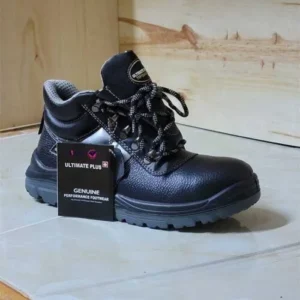
Foot Protection, Safety Equipment Suppliers In Kenya, Safety Items, Safety Shoes, Ultimate Plus Industrial Safety Boots Kenya
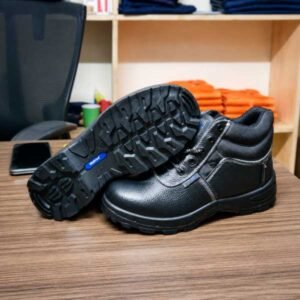
Ultimate Plus Industrial Safety Boots
Original price was: KSh3,300.KSh2,700Current price is: KSh2,700. + VAT Order via WhatsApp -
Foot Protection, Safety Equipment Suppliers In Kenya, Safety Items, Safety Shoes
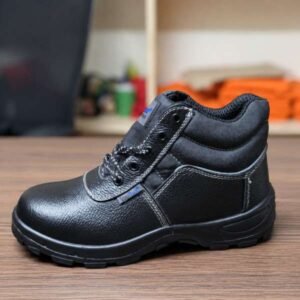
Ace Duma Safety Shoes
Original price was: KSh4,500.KSh3,500Current price is: KSh3,500. + VAT Order via WhatsApp -
Safety Equipment Suppliers In Kenya, Safety Items, Safety Shoes, Vaultex Industrial Safety Boots in Kenya
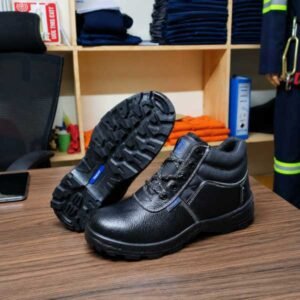
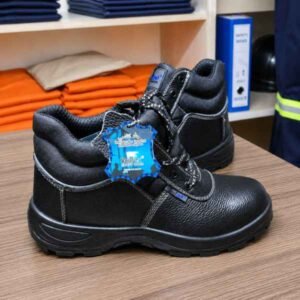
Vaultex Steel Toe Safety Boots Kenya
Original price was: KSh3,500.KSh2,500Current price is: KSh2,500. + VAT Order via WhatsApp -
Safety Equipment Suppliers In Kenya, Safety Items, Safety Shoes, Ultimate Plus Industrial Safety Boots Kenya
Ultimate Plus High Ankle Safety Boots Kenya
Original price was: KSh3,500.KSh2,500Current price is: KSh2,500. + VAT Order via WhatsApp -
Foot Protection, Gumboots, Safety Equipment Suppliers In Kenya, Safety Items
Adix Gumboots
Original price was: KSh2,500.KSh1,500Current price is: KSh1,500. + VAT Order via WhatsApp -
Foot Protection, Safety Equipment Suppliers In Kenya, Safety Items, Safety Shoes, Vaultex Industrial Safety Boots in Kenya
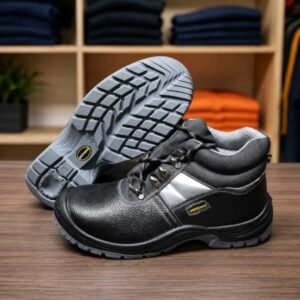
Vaultex Oil Resistant Safety Boots Kenya
Original price was: KSh3,500.KSh2,500Current price is: KSh2,500. + VAT Order via WhatsApp -
Foot Protection, Safety Equipment Suppliers In Kenya, Safety Items, Safety Shoes, Vaultex Industrial Safety Boots in Kenya
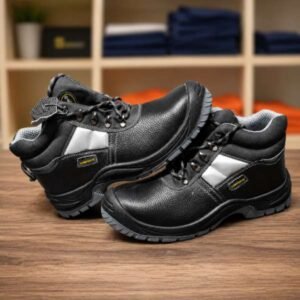
Vaultex High Ankle Safety Boots Kenya
Original price was: KSh3,500.KSh2,500Current price is: KSh2,500. + VAT Order via WhatsApp -
Foot Protection, Safety Equipment Suppliers In Kenya, Safety Items
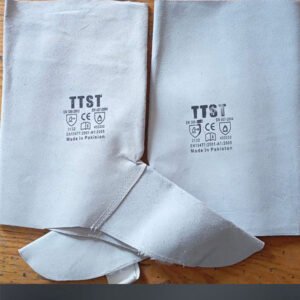
Leather Shoe Guard
Original price was: KSh2,000.KSh1,500Current price is: KSh1,500. + VAT Order via WhatsApp -
Foot Protection, Gumboots, Safety Equipment Suppliers In Kenya, Safety Items, Safety Shoes
White Gumboots CP
Original price was: KSh1,800.KSh1,100Current price is: KSh1,100. + VAT Order via WhatsApp

Explore Related PPE Procurement Services
Safety footwear can be sourced independently or included within a broader PPE procurement requirement.
Safety Boots in Kenya
Browse protective workplace footwear and available products.
Browse Safety Boots →Safety Boots Price Kenya
Compare footwear pricing and purchasing considerations.
View Price Guide →PPE Suppliers in Kenya
Explore the main Bansi Suppliers corporate PPE ecosystem.
Explore PPE Supply →Bulk PPE Suppliers Kenya
Consolidated PPE procurement for companies and projects.
Bulk PPE Supply →PPE Procurement Supplier
RFQ, BOQ and procurement support for workplace requirements.
Procurement Support →Construction PPE Supplier
PPE procurement for contractors and construction project teams.
Construction PPE →Manufacturing PPE Supplier
Protective equipment for factories and manufacturing operations.
Manufacturing PPE →Warehouse PPE Supplier
PPE procurement for warehouse, logistics and material-handling teams.
Warehouse PPE →Safety Boots Suppliers Kenya – Frequently Asked Questions
Practical questions from procurement teams, contractors, companies and institutions comparing safety footwear in Kenya.
Does Bansi Suppliers supply safety boots to companies?
Yes. Bansi Suppliers supports company, contractor, institutional and project safety-footwear requirements.
Can we request safety boots in bulk?
Yes. Submit consolidated quantities, size breakdowns, required models and footwear specifications for quotation.
What should we include in a safety boots RFQ?
Include the model or minimum specification, safety classification where required, quantity, size breakdown, delivery location and project or tender requirements.
How do we choose the right safety boot?
Start with the workplace risk assessment. Identify toe, penetration, slip, water, heat, oil, electrical, ESD and other relevant hazards before comparing models.
Do all safety boots have steel toe caps?
No. Toe-cap construction varies. Some safety footwear uses metal toe caps while other certified models may use non-metallic protective toe caps.
What is an S3 safety boot?
S3 is a safety-footwear classification that combines several protective requirements. Buyers should verify the exact standard edition and certificate for the model being purchased.
What is the difference between S1P and S3?
Both can include penetration resistance, but S3 adds water-related upper performance. The exact meaning should be checked against the standard edition shown on the product documentation.
What does SR mean on safety footwear?
Under EN ISO 20345:2022, SR is an additional slip-resistance marking. Older certificates may use SRA, SRB or SRC terminology.
What does HRO mean?
HRO indicates an outsole tested for contact heat resistance. It should only be specified where the work environment requires that property.
What does FO mean?
FO indicates resistance of the outsole to fuel oil where this property has been tested and marked on the footwear.
Are all safety boots waterproof?
No. Water-resistant upper performance and whole-footwear waterproofing are different. Verify the exact model's documented water-resistance properties.
Are anti-static boots the same as electrical safety boots?
No. Anti-static, ESD and electrically insulating footwear address different requirements. Never rely on an ordinary safety boot for electrical protection without the correct documented specification.
What is penetration-resistant safety footwear?
It is footwear with a tested protective insert intended to resist penetration through the sole. The marking and test method can differ depending on the standard edition and insert type.
Do you supply high-ankle safety boots?
Available styles can include higher-cut safety footwear. Confirm the required model, size and current availability before ordering.
Do you supply low-cut or executive safety shoes?
Protective-footwear ranges can include lower-profile and executive-style options for suitable professional, technical and supervisory roles.
Which safety boots are suitable for construction?
The answer depends on site hazards and project requirements. Common considerations include toe protection, penetration resistance, outsole performance, ankle coverage and water exposure.
Which safety boots are suitable for warehouses?
Consider material-handling hazards, floor conditions, slip risk, walking distance, comfort and any required toe or penetration protection.
Which safety footwear is suitable for factories?
Factory footwear should be selected by department and task. Production, engineering and maintenance teams may require different footwear properties.
What brands of safety boots do you supply?
Available options can include Vaultex, Ultimate Plus, Safety Jogger, Ace and other workplace footwear. Brand, model, size and stock availability should be confirmed when ordering.
Can we specify a preferred brand or equivalent?
Yes. State the preferred brand and the minimum technical specification that an approved equivalent must satisfy.
Can we send an Excel employee size schedule?
Yes. Upload your procurement list, footwear schedule or size breakdown for quotation preparation.
How much do safety boots cost in Kenya?
Prices vary according to model, brand, construction, safety classification, required sizes, quantity and availability. Use the dedicated Safety Boots Price page for current buying guidance.
Can you quote from a BOQ?
Yes. Project and tender footwear schedules can be submitted as part of a BOQ for quotation review.
Do you support LPO purchases?
LPO-based purchasing may be supported for qualifying organizations, subject to verification and agreed commercial terms.
Can safety boots be delivered outside Nairobi?
Delivery can be coordinated according to product availability, quantity, destination and agreed transport arrangements.
Can safety boots be included with other PPE?
Yes. Companies can submit consolidated requirements covering footwear, helmets, gloves, workwear and other workplace safety products.
Can we standardise one or two boot models for repeat orders?
Yes. Where employee roles share the same approved specification, a company can structure repeat procurement around selected models and size schedules.
What if our required model is unavailable?
If your procurement rules allow alternatives, state the minimum technical specification so another available model can be evaluated on a like-for-like basis.
Get a More Accurate Safety Boots Quote the First Time
Send these details with your enquiry:
If you do not yet know the correct model, send the hazards and use case instead. This gives the procurement conversation a much stronger starting point than requesting only “your best safety boot.”
Request a Safety Boots Quotation in Kenya
For a faster and more accurate quotation, send the required footwear model or minimum safety classification, workplace use, quantity, employee size breakdown, delivery location and required delivery date.
Not sure which model to request? Send the worker role and the identified hazards first. If you already have an RFQ, BOQ, tender specification or Excel procurement schedule, upload the complete document for quotation review.
Source. Supply. Succeed.