Safety Helmets Kenya – Buy Industrial, Construction & Work-at-Height Head Protection
Bansi Suppliers supports companies, contractors, institutions, project teams and individual buyers sourcing safety helmets in Kenya. Browse industrial helmets and related head-protection options, then confirm the exact model, suspension, standard, accessories, colour, quantity and availability before ordering.
Not every helmet offers the same protection. The correct choice depends on the workplace hazard, impact direction, electrical exposure, ventilation requirement, retention system, accessory compatibility and any standard stated by your employer, client, tender or project.
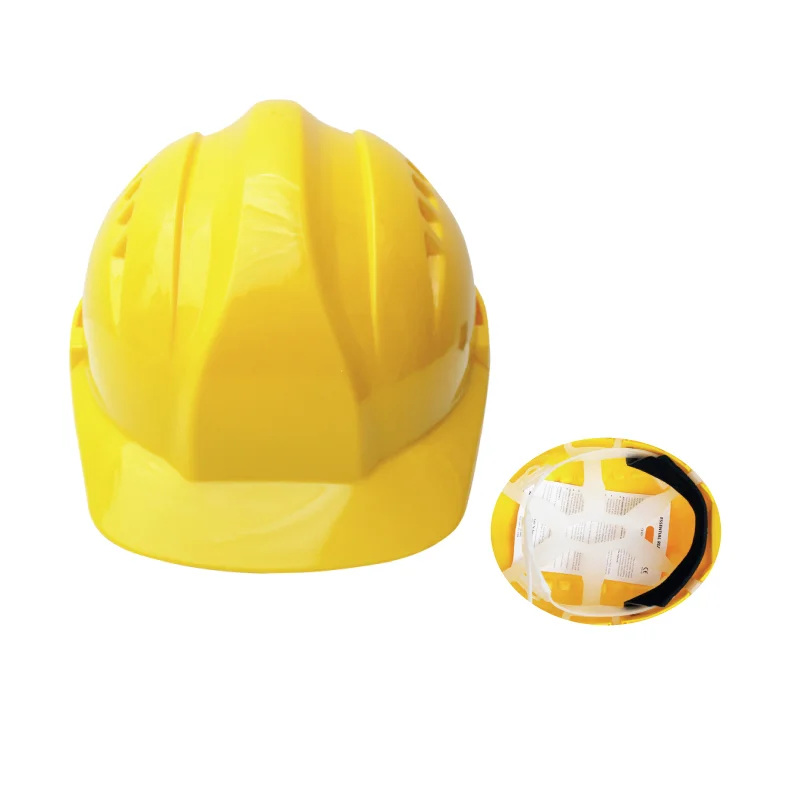
Buying Safety Helmets in Kenya? Start Here
The fastest way to choose correctly is to begin with the job and hazard, then confirm the helmet specification before comparing price.
1. Identify the Hazard
Is the concern falling objects, side impact, electrical contact, work at height, low clearances, outdoor exposure or a combination?
Hazard First2. Confirm the Required Standard
Check your workplace, project or tender requirement for the exact helmet standard, type, class or additional tested properties.
Verify the Marking3. Choose Fit & Suspension
Compare ratchet or other adjustment systems, suspension points, head-size range, comfort and retention requirements.
Fit Matters4. Confirm Accessories
If workers need earmuffs, visors, face shields, lamps or chin straps, confirm that the exact helmet supports compatible accessories.
System CompatibilityShop Safety Helmets & Hard Hats in Kenya
Browse available head-protection products below. Open the individual product page to review available information, then confirm current stock, colour, suspension, size, specification and quantity before purchasing.
Types of Safety Helmets to Consider
“Safety helmet” is a broad product description. Different designs suit different hazards and working environments.
Standard Industrial Safety Helmets
General-purpose hard hats for suitable construction, industrial, engineering, warehousing and maintenance environments. Confirm the exact impact and other performance requirements.
Vented Safety Helmets
Ventilation can improve comfort in hot working conditions, but vented designs may not suit applications requiring particular electrical properties or other specialist protection.
Non-Vented Safety Helmets
Non-vented designs may be specified for selected industrial, electrical or environmental requirements. Verify the exact model certification rather than assuming protection.
Ratchet Safety Helmets
Ratchet adjustment can make it easier for workers to fine-tune helmet fit while wearing the helmet, especially across mixed workforce sizes.
Climbing-Style / Work-at-Height Helmets
Some work-at-height environments use climbing-style helmets with stronger retention systems and different standards from ordinary industrial hard hats. Check the work-at-height plan and required certification.
Electrical-Rated Head Protection
Where electrical contact is an identified hazard, specify the required electrical rating or standard. Never assume a normal hard hat is electrically insulating.
Safety Helmet vs Bump Cap
A bump cap and an industrial safety helmet are not the same product. A bump cap is generally intended for lower-severity situations such as accidental contact with fixed objects or low clearances.
Where workers are exposed to falling or flying objects, projectiles, significant impact or other head-injury hazards, the required industrial safety helmet should be selected according to the workplace risk assessment and applicable standard.
Do not substitute a bump cap simply because it is lighter, cheaper or more comfortable.
Safety Helmet Standards & Markings Buyers Should Understand
Standards help define the protection a helmet has been tested to provide. Always verify the marking and documentation for the exact model being quoted.
EN 397
EN 397 is widely used for industrial safety helmets. Depending on the exact helmet, additional tested properties may include very-low-temperature performance, lateral deformation, molten-metal splash or specified electrical insulation.
EN 12492
EN 12492 is associated with mountaineering-style helmets and is also relevant to certain work-at-height applications. It should not automatically be treated as interchangeable with EN 397.
ANSI / ISEA Z89.1
Under the ANSI system, Type I relates to top-impact protection while Type II addresses top and side impact. Electrical classes include G, E and C.
ANSI Class G
Class G helmets are designed to reduce the danger of contact with lower-voltage conductors and are proof-tested at 2,200 volts. The proof-test voltage is not a safe working-voltage rating.
ANSI Class E
Class E helmets are intended for higher electrical-hazard protection and are proof-tested at 20,000 volts. Selection still requires a proper electrical-safety assessment.
ANSI Class C
Class C head protection is not intended to provide protection against contact with electrical conductors.
Procurement Rule: Never Quote a Standard You Have Not Verified
If your tender says “EN 397,” “ANSI Type II,” “Class E,” or another specific requirement, include that wording in the RFQ. The quoted helmet should then be checked against the exact manufacturer's label, certificate or technical documentation.
How to Choose the Right Safety Helmet
Use this checklist before deciding which helmet to buy for an employee, department, site or complete workforce.
1. Impact Direction
Determine whether the main hazard is impact from above only or whether side impact must also be considered.
2. Electrical Exposure
If electrical contact is possible, specify the required electrical protection rather than assuming every non-vented helmet is electrically rated.
3. Work at Height
Elevated work may require a different retention system, chin strap or helmet standard from general ground-level industrial work.
4. Ventilation
Vented shells may improve heat comfort, while non-vented designs can be required for selected specialist applications. Match ventilation to the risk, not preference alone.
5. Suspension & Adjustment
Check the headband, suspension points, ratchet or other adjustment mechanism, size range and whether employees can achieve a secure fit.
6. Chin Strap
A chin strap can improve retention in appropriate applications, but the exact strap and release characteristics should match the helmet system and required standard.
7. Earmuff Compatibility
If hearing protection is required, confirm compatible accessory slots, earmuff adapters and whether the complete combination works as intended.
8. Visor & Face Shield Compatibility
Grinding, cutting, chemical splash and other hazards may require additional face or eye protection. Verify compatible approved accessories for the exact helmet.
9. Environment & Temperature
Outdoor exposure, heat, cold, UV, molten metal or other environmental conditions can affect which helmet properties should be specified.
10. Worker Fit
The helmet should be adjustable to the wearer's head and remain stable during normal work activities.
11. Required Colour
Colour may be used by some companies to identify roles, contractors or visitors, but colour conventions are not universal. Follow your own project or company policy.
12. Documentation
Confirm manufacturer information, standard markings, production details and any technical documentation required by procurement.
Safety Helmet Parts That Affect Fit & Performance
Buyers often compare only the shell. A complete helmet system also depends on the suspension, adjustment mechanism, retention system and compatible accessories.
Outer Shell
The shell is the visible protective structure. Material, shape, venting and tested performance vary by model.
Suspension
The internal suspension helps position the helmet and manage space between the shell and the wearer's head.
Headband
The headband should adjust securely to the wearer without excessive looseness or uncomfortable pressure.
Ratchet / Adjustment System
Adjustment systems affect how quickly and accurately the wearer can achieve a secure fit.
Chin Strap
Where required, use a chin strap designed and approved for the specific helmet rather than an improvised attachment.
Accessory Slots
Slots or mounting points can support compatible earmuffs, visors and other accessories on suitable helmet systems.
Build a Complete Head-Protection System
For some jobs, the helmet is only one part of the head, face and hearing-protection requirement.
Helmet + Chin Strap
Consider for suitable high-movement, windy or work-at-height tasks where helmet retention is required.
Confirm Compatible StrapHelmet + Earmuffs
For noisy work areas, confirm the hearing-protection requirement and whether helmet-mounted earmuffs are compatible.
Head + Hearing ProtectionHelmet + Face Shield
Suitable combinations may be required for grinding, cutting, splash or other face hazards.
Head + Face ProtectionHelmet + Eye Protection
A safety helmet does not replace goggles or spectacles where the task requires dedicated eye protection.
Separate Eye HazardSafety Helmets for Different Industries in Kenya
Helmet selection should follow the actual hazards and work activities within each department, project or site.
Construction Sites
Consider falling materials, tools, structural work, work at height, mobile plant and project-specific PPE rules.
Construction PPE Supply →Manufacturing & Factories
Head-protection needs can vary between production, maintenance, loading, utilities and engineering areas.
Manufacturing PPE Supply →Warehousing & Logistics
Consider racking, overhead storage, loading, material movement and vehicle interaction.
Warehouse PPE Supply →Engineering & Workshops
Maintenance, fabrication and technical teams may require head protection combined with eye, face or hearing protection.
Telecom & Field Teams
Outdoor technical work can involve height, roadside, climbing and electrical considerations. Match the helmet to the actual field task.
Utilities & Electrical Work
Where electrical hazards are present, specify the correct electrically rated head protection and do not rely on shell appearance alone.
Mining & Heavy Industry
Consider falling material, low-clearance structures, lighting accessories, hearing protection and site-specific standards.
Facility Maintenance
Maintenance workers may move between different risk areas, so helmet requirements should follow the task and access rules.
Visitors & Contractors
Visitors may also require approved head protection when entering controlled construction or industrial areas.
Buying Safety Helmets for a Kenyan Workplace
Kenya's occupational safety framework places responsibilities on employers and workers around suitable protective equipment, proper use and workplace risk control.
For procurement teams, the practical approach is to begin with the hazard assessment and required protection, then choose the helmet model that meets that requirement.
Bansi Suppliers can support product sourcing and quotation, but the employer, project safety team or responsible competent person should determine the PPE specification required for the work environment.
Safety Helmet Colours: Use Your Site Policy, Not Assumptions
White, yellow, blue, red, green and other helmet colours are often used to distinguish roles or departments, but there is no single colour code that applies to every workplace in Kenya.
Company Identification
Some companies use helmet colours to distinguish employees, contractors, visitors or departments.
Project Rules
Construction projects may create their own helmet-colour matrix for engineers, supervisors, workers and visitors.
Do Not Buy by Colour Alone
Colour does not tell you the impact, electrical, heat or other protective performance of the helmet.
Safety Helmet Inspection, Care & Replacement
Purchasing the correct helmet is only the first step. Head protection should also be inspected, worn correctly, maintained and replaced according to the manufacturer's instructions.
Inspect the Shell
Look for cracks, deformation, perforation, brittleness, deep damage, unusual fading or other deterioration.
Inspect the Suspension
Check for torn, stretched, frayed, cracked or damaged suspension components and adjustment systems.
Check After an Impact
A helmet that has sustained a significant impact may need replacement even if damage is not immediately obvious. Follow the manufacturer's instructions.
Avoid Unapproved Modification
Do not drill holes, cut the shell or add components that are not approved for the helmet system.
Clean Correctly
Use cleaning methods allowed by the manufacturer. Harsh chemicals, solvents or unapproved coatings can damage some helmet materials.
Follow Manufacturer Replacement Guidance
Replacement intervals depend on the helmet, material, use, storage and exposure. Do not apply one universal expiry period to every brand and model.
Safety Helmet Supply for Individuals, Companies & Projects
The same page can support a single buyer, a small team or a national procurement requirement.
Individual Purchase
Send the required helmet type, colour and quantity to confirm current availability and price.
Team & Department Orders
Source consistent helmet models and colours for maintenance, construction, engineering or operational teams.
Bulk & Project Procurement
Submit a BOQ, RFQ or procurement schedule for consolidated quotation and delivery planning.
Safety Helmet Procurement Checklist
Use this before approving a quotation or purchase order.
Technical Checks
Safety Helmet Price in Kenya
Safety helmet prices vary according to the exact model, shell design, suspension, adjustment system, brand, safety standard, tested optional properties, accessories, colour availability and order quantity.
For procurement, do not compare two helmets only by price unless the technical specifications are genuinely equivalent.
A lower-priced helmet that does not meet the required standard or accessory requirement is not a like-for-like alternative.
Compare More Safety Helmet Options
Review the category again after reading the buying guide, then compare models against the protection your workplace actually requires.
Build a Complete PPE Requirement
Safety helmets can be ordered independently or included within a wider workforce PPE schedule.
Safety Gloves
Hand protection for construction, engineering, warehousing and industrial work.
Browse Safety Gloves →Reflective Jackets
High-visibility workwear for sites, logistics, field teams and outdoor operations.
Browse Reflective Wear →Safety Boots
Protective footwear for construction, warehouses, engineering and industrial operations.
Browse Safety Boots →Safety Harnesses
Fall-protection equipment for suitable work-at-height applications.
Browse Fall Protection →Related PPE Procurement Services in Kenya
Explore related Bansi Suppliers pages for broader PPE, industry-specific procurement and bulk requirements.
PPE Suppliers in Kenya
Browse the wider corporate PPE supply ecosystem.
Explore PPE Supply →Bulk PPE Suppliers Kenya
Consolidated PPE procurement for companies, projects and institutions.
Bulk PPE Supply →Construction PPE Supplier
PPE procurement for contractors and construction project teams.
Construction PPE →PPE Procurement Support
RFQ, BOQ and structured quotation support for workplace requirements.
Procurement Support →Safety Helmets Kenya – Frequently Asked Questions
Common questions from individuals, contractors, safety officers and procurement teams buying head protection in Kenya.
Where can I buy safety helmets in Kenya?
You can browse available safety helmets through Bansi Suppliers and contact the team to confirm current model, colour, quantity, price and availability.
Do you supply safety helmets to companies in bulk?
Yes. Companies, contractors, institutions and project teams can submit consolidated helmet requirements for formal quotation.
What information should I include in a safety helmet RFQ?
Include the helmet model or minimum specification, required standard, vented or non-vented requirement, suspension, chin strap or accessories, colour, quantity and delivery location.
What is EN 397?
EN 397 is a widely used standard for industrial safety helmets. The exact helmet label should be checked for the standard and any additional tested properties.
What is EN 12492?
EN 12492 is associated with mountaineering helmets and is relevant to certain work-at-height applications. It should not automatically be treated as the same as EN 397.
What is the difference between ANSI Type I and Type II helmets?
ANSI Type I helmets address impact to the top of the head, while Type II helmets are designed for top and side impact protection.
What do ANSI Class G, E and C mean?
They relate to electrical performance. Class G and E provide different levels of electrical testing, while Class C is not intended for electrical-conductor contact protection.
Are all safety helmets electrically rated?
No. Electrical protection varies by model and standard. Never assume a helmet is electrically insulating because of its material, colour or non-vented appearance.
Are vented safety helmets suitable for electrical work?
Do not assume so. Where electrical hazards exist, use head protection with the required documented electrical rating and follow the workplace electrical-safety requirements.
What is the difference between a safety helmet and a bump cap?
A bump cap is generally intended for lower-level bump hazards such as contact with fixed objects. It should not be substituted for an industrial safety helmet where falling-object or significant impact protection is required.
Do safety helmets need chin straps?
It depends on the work activity, helmet system and required standard. Work at height, windy conditions or high movement may require stronger retention than general ground-level work.
Can I add any chin strap to a safety helmet?
No. Use compatible components approved for the specific helmet system and required standard rather than improvised straps.
Can earmuffs be attached to a safety helmet?
Some helmet systems include accessory slots for compatible hearing protection. Confirm the exact helmet, adapter and earmuff combination.
Can a visor or face shield be fitted to a safety helmet?
Some helmet systems support compatible visors and face shields. Confirm the correct approved accessories for the exact helmet model.
Do helmet colours have universal meanings in Kenya?
No. Companies and projects may use their own colour coding. Follow the employer or site policy rather than assuming white, yellow, blue or red always means the same role.
What is a ratchet safety helmet?
A ratchet helmet uses a rotating adjustment mechanism to help the wearer fine-tune the headband fit. Confirm the exact suspension design and size range of the model.
Which helmets are suitable for construction?
The correct construction helmet depends on the site hazards and project rules. Consider falling-object risk, side impact, work at height, electrical exposure, accessories and required standard.
Which helmets are suitable for work at height?
Work-at-height head protection should match the height-safety plan, retention requirement and required standard. Some applications use climbing-style helmets rather than general hard hats.
How often should safety helmets be replaced?
There is no single replacement period that applies to every helmet. Follow the manufacturer's instructions and replace earlier where impact, damage, UV exposure, chemical exposure or deterioration requires it.
Should a helmet be replaced after an impact?
A helmet that has sustained a significant impact may require replacement even when damage is not obvious. Follow the manufacturer's inspection and replacement instructions.
Can we put stickers or logos on safety helmets?
Only use marking, stickers or customization methods allowed by the helmet manufacturer. Unapproved adhesives, paints or modifications can affect some materials or make inspection harder.
Can safety helmets be delivered outside Nairobi?
Delivery can be coordinated according to product availability, quantity, destination and agreed transport arrangements.
Can we upload a BOQ or Excel procurement list?
Yes. Corporate buyers can upload an RFQ, BOQ, Excel schedule or procurement list containing helmet and other PPE requirements.
Can helmets be quoted together with other PPE?
Yes. Safety helmets can be included with safety boots, gloves, reflective wear, workwear, hearing protection, eye protection, respirators and other PPE in one requirement.
Get a More Accurate Safety Helmet Quote
Send the workplace, helmet specification or standard, required colour, quantity, accessory requirement, delivery location and required date.
Buy Safety Helmets in Kenya from Bansi Suppliers
Browse available head-protection products, compare the correct helmet against your workplace hazard and confirm the exact model, specification, colour, quantity, current price and availability.
Buying for a company or project? Send the full helmet schedule, RFQ, BOQ or procurement list for formal quotation and delivery coordination.
Source. Supply. Succeed.