Cut Resistant Glove Levels Explained: How to Choose the Right Cut Protection
Cut resistant gloves are designed to protect workers from hand injuries caused by sharp materials, metal edges, glass, blades, wires, tools and industrial components. For companies, contractors, factories, workshops and warehouses, understanding cut resistant glove levels helps in selecting the right hand protection for different tasks.
At Bansi Suppliers, we supply cut resistant gloves in Kenya for construction sites, factories, metal handling teams, glass handlers, packaging departments, logistics operations, workshops and industrial workplaces.
This guide explains what cut resistant glove levels mean, why Cut Level 5 gloves are commonly requested, how EN388 ratings help buyers compare gloves, and how procurement teams can choose suitable gloves for workers.
Shop Cut Resistant Gloves in Kenya
Browse available cut resistant gloves and related safety gloves from Bansi Suppliers. Contact our team to confirm current prices, stock availability, sizes, cut level, coating options and bulk order support.
-
Cut Resistant Gloves, Hand Protection, Safety Equipment Suppliers In Kenya, Safety Gloves, Safety Items
Cut Resistant Gloves
Original price was: KSh800.KSh600Current price is: KSh600. + VAT -
Cut Resistant Gloves, Hand Protection, Safety Equipment Suppliers In Kenya, Safety Gloves, Safety Items
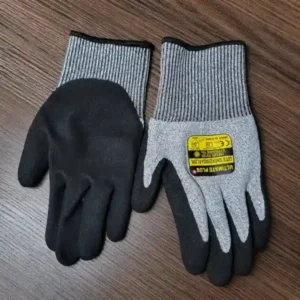
Ultimate Plus Cut Resistant Working Gloves Kenya
Original price was: KSh700.KSh600Current price is: KSh600. + VAT

What Are Cut Resistant Glove Levels?
Cut resistant glove levels help buyers understand the level of protection a glove offers against cutting risks. Different jobs require different levels of cut protection. A worker handling cartons may not need the same glove as a worker handling sheet metal, glass panels or sharp fabricated parts.
The higher the cut risk, the more important it becomes to choose gloves with suitable cut protection, grip, comfort and durability. A properly selected glove helps workers handle materials safely while maintaining control during daily operations.
Companies should avoid choosing gloves based only on price. The best glove should match the work environment, the material being handled and the level of risk faced by workers.
Why Cut Resistant Glove Levels Matter
Cut resistant glove levels matter because hand injuries can affect worker safety, productivity and operational continuity. In industrial environments, workers may handle sharp materials many times in a single shift. Without suitable gloves, the risk of cuts, scratches and hand injuries increases.
Choosing the correct cut level helps companies provide better protection for specific departments. For example, a fabrication team may require stronger cut protection than a general warehouse team. A glass handling team may need gloves that combine cut protection with reliable grip.
Lower Cut Risk Tasks
Suitable for light handling, packaging, general warehouse work and tasks where sharp materials are limited.
Medium Cut Risk Tasks
Suitable for workers handling tools, cartons, wires, rough materials and general industrial items.
Higher Cut Risk Tasks
Suitable for sheet metal, glass, blades, sharp tools, fabrication support and heavy industrial handling.
What Are Cut Level 5 Gloves?
Cut Level 5 gloves are commonly requested by buyers looking for stronger cut protection for higher-risk tasks. They are often used in workplaces where workers handle sharp materials such as sheet metal, glass, blades, steel parts, sharp tools and fabricated industrial components.
Cut Level 5 gloves may be suitable for construction, metal handling, glass handling, fabrication, workshops, warehouses and manufacturing environments where workers need dependable protection against cuts.
However, protection level is not the only factor to consider. Buyers should also look at glove comfort, coating, grip, flexibility, size and the actual working environment. A glove that offers strong protection but poor grip or poor comfort may not be ideal for daily use.
EN388 Cut Resistant Gloves Explained
EN388 is a common standard used to describe protective glove performance against mechanical risks. It helps buyers compare gloves based on features such as abrasion resistance, blade cut resistance, tear resistance and puncture resistance.
For industrial buyers, EN388 markings can help guide glove selection. However, buyers should still confirm that the glove is suitable for the actual task. A glove used for glass handling may require different grip and flexibility compared to a glove used for warehouse packaging.
Bansi Suppliers can assist buyers with available cut resistant glove options depending on stock, intended use and order quantity.
Cut Resistant Glove Levels by Application
Different industries require different levels of hand protection. The table below gives a practical guide for choosing gloves based on common workplace applications.
| Work Application | Common Risk | Recommended Glove Focus | Best For |
|---|---|---|---|
| Warehouse Packaging | Cartons, straps, blades and packaging materials. | Grip, comfort and moderate cut protection. | Packaging teams and logistics workers. |
| Construction Work | Tiles, wires, cables, roofing sheets and sharp building materials. | Durability, grip and suitable cut protection. | Contractors and site workers. |
| Metal Handling | Sheet metal, steel parts and sharp fabricated materials. | Higher cut protection and strong grip. | Fabrication and metalwork teams. |
| Glass Handling | Glass panels, sharp edges and fragile materials. | Cut protection, grip and controlled handling. | Glass handlers and installation teams. |
| Factory Production | Tools, machine parts, sharp components and repetitive handling. | Comfort, flexibility and task-based protection. | Production and maintenance teams. |
How to Choose the Right Cut Resistant Glove Level
The right cut resistant glove level depends on the exact material being handled and the level of risk involved. Procurement teams should first identify the hazard, then select gloves that provide suitable protection and practical performance.
- Choose stronger cut protection for metal, glass, blades and sharp tools.
- Choose coated gloves where grip and abrasion resistance are important.
- Choose comfortable gloves for workers who wear them throughout the day.
- Choose the correct size to support safe handling and reduce discomfort.
- Choose different glove types for different departments where necessary.
- Request quotation support when buying gloves in bulk for teams.
For companies, the best approach is to match gloves to departments. A production team may need cut resistant gloves, while a loading team may require leather gloves and a cleaning team may need PVC or rubber gloves.
Cut Resistant Gloves for Metal Handling
Workers handling sheet metal, steel components, fabricated parts and sharp edges require gloves that support cut protection and secure grip. Metal handling tasks can expose workers to sharp surfaces, making cut resistant gloves a practical choice for daily operations.
Bansi Suppliers supports companies looking for gloves for metal handling in Kenya. Share your quantity, work application and delivery location for quotation support.
Cut Resistant Gloves for Glass Handling
Glass handling requires careful hand protection because workers may be exposed to sharp edges, fragile materials and broken glass. Suitable gloves should provide protection while allowing workers to hold and move glass safely.
Buyers looking for gloves for glass handling in Kenya should consider grip, cut protection, fit and comfort. For bulk supply, Bansi Suppliers can help recommend available glove options based on your work requirements.
Cut Resistant Gloves vs Other Safety Gloves
Cut resistant gloves are designed for sharp material handling. Other glove types may be better for different tasks. Leather gloves are suitable for rough handling and loading. Welding gloves are suitable for heat, sparks and welding work. PVC or rubber gloves are practical for cleaning, wet work and some liquid handling tasks.
For a full comparison, read our related guide on Cut Resistant Gloves vs Leather Gloves. You can also explore our main Safety Gloves Kenya page for more hand protection options.
Where to Buy Cut Level 5 Gloves in Kenya
You can buy cut resistant gloves and Cut Level 5 gloves in Kenya from Bansi Suppliers. We supply hand protection PPE for companies, contractors, factories, warehouses, workshops, logistics operations and industrial buyers.
For available products and quotation support, visit our main Cut Resistant Gloves Kenya page or request a quote through our RFQ page.
Frequently Asked Questions
What do cut resistant glove levels mean?
Cut resistant glove levels help indicate the level of cut protection a glove provides. Higher-risk tasks usually require stronger cut protection.
What are Cut Level 5 gloves used for?
Cut Level 5 gloves are commonly used for higher cut-risk tasks such as metal handling, glass handling, sharp tool use, fabrication support and industrial work.
Are EN388 gloves suitable for industrial work?
EN388-rated gloves are used to describe glove performance against mechanical risks such as abrasion, cut, tear and puncture. Buyers should confirm suitability based on the actual task.
Which gloves are best for metal handling?
Cut resistant gloves with suitable cut protection and grip are recommended for workers handling sheet metal, steel parts and sharp fabricated materials.
Where can I buy cut resistant gloves in Kenya?
You can buy cut resistant gloves in Kenya from Bansi Suppliers. We supply gloves for construction, factories, warehouses, workshops and industrial workplaces.
Request Cut Resistant Gloves from Bansi Suppliers
Bansi Suppliers provides cut resistant gloves, Cut Level 5 gloves and related hand protection PPE for companies and workers across Kenya. Contact us for current prices, availability, bulk orders and quotation support.