PPE for Factory Production Workers in Kenya
Bansi Suppliers provides PPE for factory production workers in Kenya for manufacturers, processing plants and industrial facilities.
Build PPE requirements for production-line workers, machine operators, packing teams, quality-control personnel, production supervisors and other employees working within active production areas.
PPE should be selected according to the employee's task, machinery, process, materials handled, identified hazards and required technical specification.
Buying PPE for the Entire Factory?
This page focuses specifically on workers operating within factory production areas.
If your requirement also includes engineering, maintenance, warehouse, utilities, cleaning, laboratories and other factory departments, use the wider Manufacturing PPE Supplier page.
PPE Requirements by Factory Production Role
Employees working in the same factory should not automatically receive identical PPE.
Start with the employee's work activity and exposure.
Production-Line Workers
PPE may include appropriate footwear, gloves, protective clothing, eye protection or other equipment according to the production process.
Machine Operators
Requirements may involve suitable footwear, eye protection, hearing protection and other task-specific PPE.
Packing Teams
PPE can include suitable handling gloves, footwear, workwear and other equipment according to the product and packing process.
Quality-Control Staff
PPE should match sampling, inspection, testing and production-area access requirements.
Production Supervisors
Supervisors entering active production areas should follow the PPE requirements established for those work zones.
Production Support Staff
Employees moving between production, packing, stores and dispatch should meet the PPE requirements for each area entered.
Match Production PPE to the Actual Hazard
Avoid selecting PPE only because an employee works in a factory.
Protection should match the task, exposure and technical requirement.
Cuts, Abrasion & Handling
Select gloves according to the material handled, sharp-edge exposure, grip requirement and hand hazard.
Safety Gloves →Foot & Floor Hazards
Protective footwear may be required for impact, underfoot, wet-floor, slip or other workplace hazards.
Safety Footwear →Workplace Noise
Hearing protection may be required in suitable machine, processing and high-noise production areas.
Hearing Protection →Dust, Mist, Fumes & Airborne Hazards
Respiratory PPE should match the identified airborne contaminant, process and filter or cartridge requirement.
Respirators →Flying Particles & Splash
Eye or face protection may be required for particles, dust, splash, cutting and other process hazards.
Eye Protection →Body Exposure
Select protective clothing according to contamination, wet work, chemical exposure, heat or other identified body hazards.
Protective Clothing →Common PPE Categories for Factory Production Teams
These are product categories, not a universal factory-worker checklist.
Include only the PPE required by the worker's task and workplace assessment.
Safety Footwear
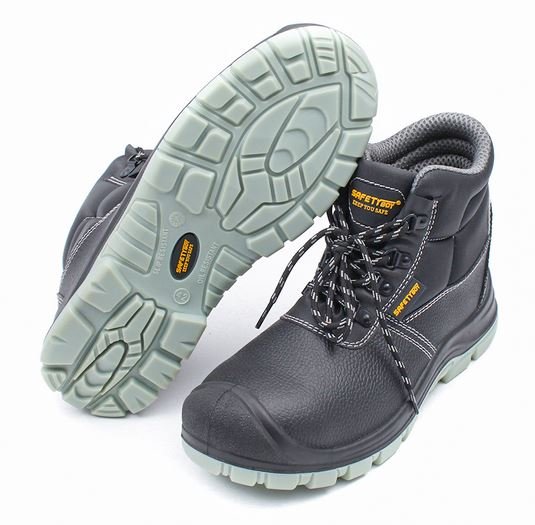
Safety boots or shoes selected according to floor conditions, impact risks, underfoot hazards and required specification.
Industrial Gloves
Gloves selected according to handling, cut, abrasion, chemical, heat or other hand hazards.
Protective Clothing
Workwear and specialist protective garments selected according to the production activity.
Eye & Face Protection
Safety glasses, goggles or suitable face protection according to the hazard.
Hearing Protection
Ear plugs or ear muffs where the workplace noise assessment requires hearing protection.
Respiratory Protection
Respirators, filters and cartridges selected according to the identified airborne hazard.
Factory PPE Does Not Replace Machine Safety Controls
Important Production-Floor Principle
PPE is only one part of controlling risk around industrial machinery and production processes.
Machine guarding, isolation procedures, safe work methods, ventilation, housekeeping, traffic control, training and supervision may also be required.
PPE should address the remaining worker exposure after appropriate controls have been considered.
Factory Gloves Must Match the Task
One glove type is rarely suitable for every production activity.
Sheet materials, cardboard, chemicals, oily components, rough materials and hot items can require different glove properties.
Organise Factory PPE by Production Area
Larger facilities can define suitable minimum PPE for each production area and add task-specific equipment where required.
Raw Material Intake
Consider material handling, vehicle movement, dust, lifting and product-specific hazards.
Processing Area
PPE may vary according to machinery, process heat, noise, dust, chemicals and other exposures.
Packing Area
Consider handling, footwear, hygiene, visibility and packing-process hazards.
Quality-Control Area
Select PPE according to inspection, sampling, testing and production-floor access.
Finished Goods Area
Consider manual handling, loading, forklift movement, visibility and protective footwear.
Production Cleaning
Cleaning PPE should match the cleaning product, splash exposure, wet work and sanitation procedure.
Build Production PPE Requirements by Job Role
A machine operator, packer, production supervisor and production cleaner can work in the same building while requiring different PPE.
Defining PPE by job role can make employee onboarding, replacement and repeat purchasing easier to manage.
Manage Production PPE Across Employees & Shifts
Factories with multiple shifts can organise PPE by role, headcount, size and replacement requirement.
New Employee Onboarding
Prepare approved PPE according to each production role before employees begin work.
Shift Headcount
Calculate required quantities using employee numbers across production shifts.
Employee Size Control
Maintain footwear, clothing and other applicable size schedules.
Consumable PPE
Monitor regularly consumed masks, gloves and other applicable PPE according to actual usage.
Replacement PPE
Replace damaged, worn or unsuitable equipment according to inspection and workplace procedures.
Spare Stock
Consider suitable replacement quantities for critical or frequently used PPE.
PPE for Other Factory Departments
Production workers are only one part of the factory workforce.
Complete Manufacturing PPE
Combine production, maintenance, engineering, warehouse, cleaning and other factory PPE.
Manufacturing PPE →Warehouse & Logistics PPE
PPE for stores, loading, dispatch, vehicle routes and warehouse teams.
Warehouse PPE →Industrial Safety Equipment Supply
Use this route for wider industrial PPE and safety-equipment corporate quotations.
Industrial PPE Supplier →Protective Clothing
Specialist workplace body-protection requirements for suitable industrial tasks.
Protective Clothing →Respiratory Protection
Respirators, filters and cartridges for identified airborne hazards.
Respirators Kenya →Factory First Aid
Workplace first-aid kits, refill contents, eye-wash products and emergency supplies.
First Aid Equipment →Use This Page for Production Workers
Stay on this page when the requirement primarily covers machine operators, production-line workers, packers, production supervisors and other production-floor teams.
Use Manufacturing PPE for the Full Workforce
If the requirement covers production, engineering, maintenance, warehouse, cleaning, utilities and multiple factory departments, use the Manufacturing PPE authority.
What to Include in a Factory Production PPE RFQ
Already Have a Factory PPE Schedule?
Send your complete requirement using the document your procurement team already works with.
We can review RFQs, BOQs, Excel schedules, PDF procurement lists, purchase requisitions and employee PPE schedules.
Factory Production Worker PPE – FAQs
What PPE do factory production workers need?
The requirement depends on the employee's task and identified hazards. It may involve footwear, gloves, protective clothing, eye protection, hearing protection, respiratory PPE or other task-specific equipment.
Should every production worker receive the same PPE?
No. Machine operators, packers, production-line workers, supervisors and cleaning personnel can face different hazards.
Can PPE be organised by production job role?
Yes. Requirements can be structured according to job title, production area, identified hazards, employee sizes and required PPE.
Do machine operators need gloves?
Not automatically. Gloves can create entanglement risks around some moving or rotating machinery. Selection should follow the machine and work method.
Do factory production workers need safety boots?
Protective footwear should be selected according to floor conditions, impact, underfoot and other identified hazards.
Do factory workers need hearing protection?
Hearing protection may be required where the workplace noise assessment identifies harmful noise exposure.
Do production workers need respirators?
Respiratory PPE should only be selected after identifying the airborne contaminant, exposure conditions and required respiratory protection.
Can factory PPE be ordered in employee sizes?
Yes. Clothing, footwear and other size-sensitive PPE can be separated by size and quantity.
Can we upload an Excel factory PPE schedule?
Yes. You can submit Excel schedules, RFQs, BOQs, PDFs and other structured procurement documents.
Where should we source PPE for the whole factory?
Use the Manufacturing PPE Supplier page when the requirement covers production, engineering, maintenance, warehouse, cleaning and other departments across the facility.
Request PPE for Your Factory Production Team
Send your employee roles, production activities, PPE specifications, size breakdown, quantities and delivery location.
If the requirement also covers maintenance, warehouse, engineering, cleaning or other departments, include them in your wider factory procurement schedule.
Bansi Suppliers — Source. Supply. Succeed.