Hand Protection PPE Supplier Kenya – Safety Gloves for Workplace Hazards
Bansi Suppliers supports companies, contractors, factories, warehouses, institutions, farms and project teams sourcing hand protection PPE in Kenya. We help buyers compare safety gloves according to the actual task, hazard, glove material, required protection, quantity and workplace.
Hand protection is not a one-glove-fits-all category. Gloves used for rough handling, sharp edges, chemicals, welding, cold rooms, electrical work, food handling and wet work can require very different materials and performance characteristics.
Browse products below or send your glove schedule, RFQ, BOQ, workplace hazard or procurement list for structured quotation support.
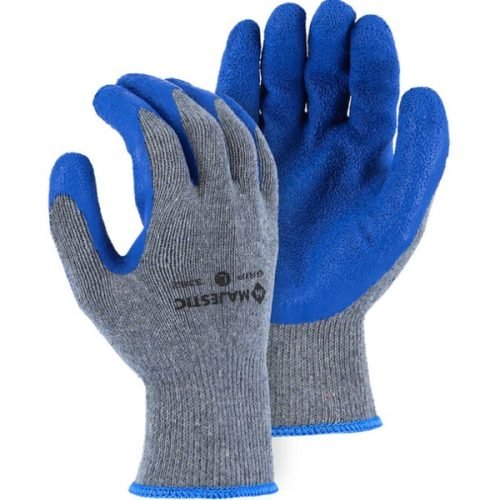
Hand Protection PPE for Companies, Workers & Projects in Kenya
A good glove purchase starts with what the worker actually does. Procurement teams should identify the hazard first, then compare the glove type and documented performance needed for the task.
Corporate & Bulk Glove Supply
Consolidate safety-glove requirements for employee teams, departments, project sites, factories, branches and institutions.
Hazard-Based Product Selection
Compare gloves for cuts, abrasion, chemicals, heat, cold, wet work, hygiene, electrical work and general handling.
Structured Procurement Support
Submit glove types, required specifications, quantities, sizes where applicable and delivery details for formal quotation preparation.
Browse Safety Gloves & Hand Protection PPE
Explore available glove products and compare the exact product against the hazard, task and workplace requirement before ordering.
-
Hand Protection, Safety Equipment Suppliers In Kenya, Safety Gloves, Safety Items
Cold Resistant Gloves
Original price was: KSh2,000.KSh1,200Current price is: KSh1,200. + VAT Order via WhatsApp -
Cold Room Gloves Kenya, Hand Protection, Safety Equipment Suppliers In Kenya, Safety Gloves, Safety Items
Cold Room Safety Gloves
Original price was: KSh1,500.KSh1,200Current price is: KSh1,200. + VAT Order via WhatsApp -
Hand Protection, Leather Gloves In Kenya, Safety Equipment Suppliers In Kenya, Safety Gloves, Safety Items
Construction Leather Gloves
Original price was: KSh350.KSh300Current price is: KSh300. + VAT Order via WhatsApp -
Hand Protection, Leather Gloves In Kenya, Safety Equipment Suppliers In Kenya, Safety Gloves, Safety Items
Cotton Leather Gloves
Original price was: KSh350.KSh300Current price is: KSh300. + VAT Order via WhatsApp -
Cut Resistant Gloves, Hand Protection, Safety Equipment Suppliers In Kenya, Safety Gloves, Safety Items
Cut Resistant Gloves
Original price was: KSh800.KSh600Current price is: KSh600. + VAT Order via WhatsApp -
Diamond Grip Gloves in Kenya, Hand Protection, Safety Equipment Suppliers In Kenya, Safety Gloves, Safety Items
Diamond Grip Gloves
Original price was: KSh500.KSh280Current price is: KSh280. + VAT Order via WhatsApp -
Diamond Grip Gloves in Kenya, Hand Protection, Safety Equipment Suppliers In Kenya, Safety Gloves, Safety Items
Diamond Grip Gloves Price in Kenya
Original price was: KSh400.KSh280Current price is: KSh280. + VAT Order via WhatsApp -
Hand Protection, Leather Gloves In Kenya, Safety Equipment Suppliers In Kenya, Safety Gloves, Safety Items, Welding Gloves
Double Palm Leather Gloves Kenya
Original price was: KSh500.KSh300Current price is: KSh300. + VAT Order via WhatsApp -
Leather Gloves In Kenya, Safety Equipment Suppliers In Kenya, Safety Gloves, Safety Items
Double Palm Red Leather Gloves in Kenya
Original price was: KSh350.KSh300Current price is: KSh300. + VAT Order via WhatsApp -
Leather Gloves In Kenya, Safety Equipment Suppliers In Kenya, Safety Gloves, Safety Items
Double Palm Yellow Leather Gloves in Kenya
Original price was: KSh350.KSh300Current price is: KSh300. + VAT Order via WhatsApp -
Hand Protection, Leather Gloves In Kenya, Safety Equipment Suppliers In Kenya, Safety Gloves, Safety Items
Driver Gloves
Original price was: KSh1,800.KSh1,400Current price is: KSh1,400. + VAT Order via WhatsApp


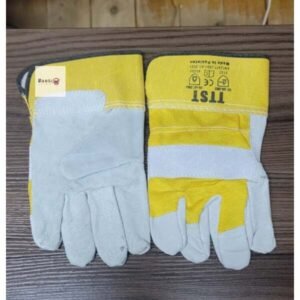


Choose Hand Protection by Workplace Hazard
The glove material alone does not tell you whether a glove is suitable. Start with the hazard and exposure conditions, then verify the exact product.
Cuts & Sharp Edges
Sheet metal, glass, blades, sharp packaging, fabrication parts and other sharp materials may require cut-resistant gloves with a documented mechanical protection level.
View Cut-Resistant Gloves →Abrasion & Rough Handling
Timber, blocks, steel, cartons, tools, building materials and repeated manual handling may require durable leather, coated or reinforced work gloves.
View Leather Gloves →Wet, Oily & Greasy Work
Maintenance, sanitation, washdown and industrial handling may require suitable coated, PVC or rubber gloves that support grip and barrier protection for the actual material involved.
View PVC Gloves →Chemical Exposure
Chemical glove selection must consider the exact chemical, concentration, contact type and contact duration. Nitrile, PVC, rubber and other materials are not universally interchangeable.
Browse Chemical-Resistant Gloves →Heat, Sparks & Welding
Welding and hot-work tasks may require longer leather or specialist thermal gloves designed for sparks, heat, abrasion and the specific process involved.
Browse Leather & Welding Options →Cold & Freezer Work
Cold stores and refrigerated workplaces may require insulated gloves that balance thermal protection with grip, moisture management and the dexterity needed to handle products safely.
Browse Cold-Work Glove Options →Electrical Work
Electrical insulating gloves are specialist PPE. The required class, rated use, inspection requirements and supporting documentation must match the electrical task.
Electrical Gloves Supplier Kenya →Food Handling & Hygiene
Nitrile, latex or other disposable gloves may suit selected food-handling, hygiene and controlled tasks depending on food-contact approval, allergy considerations and the exact application.
View Nitrile Gloves →Grip & Dexterity
Packing, assembly, handling and repetitive work may need a glove that provides sufficient grip without sacrificing finger movement, tactile control or comfort.
Compare Grip Gloves →Types of Hand Protection PPE Available in Kenya
Compare glove families according to the job, material handled, exposure and required performance.
Leather Work Gloves
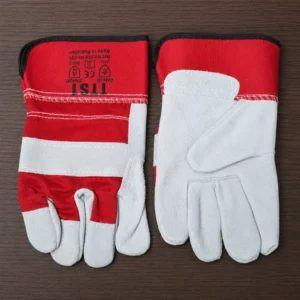
General and heavy-duty hand protection for suitable construction, loading, fabrication and material-handling work.
Browse Leather Gloves →Cut-Resistant Gloves
Gloves for identified sharp-edge and cut hazards. Confirm the required cut-performance level for the task.
View Cut-Resistant Gloves →PVC Gloves
Reusable hand protection for suitable wet, oily, cleaning and industrial handling applications.
View PVC Gloves →Rubber Gloves
Suitable for selected wet-work, cleaning and sanitation tasks according to the exact glove specification.
View Rubber Gloves →Nitrile Gloves
Disposable or industrial glove options for suitable hygiene, cleaning, food-handling and workplace applications.
View Nitrile Gloves →Latex Gloves
Disposable glove options for selected hygiene, examination and light-handling tasks where suitable.
View Latex Gloves →Electrical Insulating Gloves
Specialist gloves for electrical work where the exact voltage class, inspection regime and documentation are specified.
Explore Electrical Gloves →More Safety Gloves
Browse coated, cotton, grip, cold-room and other workplace hand-protection options.
View Full Glove Category →Match the Hazard to the Glove Requirement
Use this as a procurement starting point. Final selection should be based on the exact workplace risk assessment and the documented performance of the glove being purchased.
Sharp Sheet Metal
Prioritise documented cut resistance, fit, grip and sufficient dexterity for handling the material.
Blocks, Timber & Rough Materials
Consider abrasion resistance, palm durability, grip and glove construction for repeated manual handling.
Detergents & Cleaning Chemicals
Identify the exact substance and check glove compatibility, cuff length and expected contact duration.
Oil & Grease
Consider coating, grip performance, liquid resistance and the chemical compatibility of the exact glove.
Welding & Fabrication
Consider heat, sparks, abrasion, cuff coverage and the welding or hot-work process being performed.
Cold Storage
Consider temperature, exposure duration, moisture, grip and the dexterity workers need.
Food Processing
Consider food-contact suitability, hygiene, allergy concerns, tear risk and change frequency.
Live Electrical Work
Use only properly specified electrical insulating gloves within the employer's electrical-safety programme.
Rotating Machinery
Gloves are not automatically appropriate. Assess entanglement risk and follow the machine's safe operating procedure.
Safety Glove Standards Procurement Teams May Encounter
A standard marking is useful only when it applies to the exact glove model. Never assume that every glove of the same material provides the same performance.
EN 388 – Mechanical Risks
Commonly used for protective gloves assessed against mechanical hazards such as abrasion, blade cut, tear and puncture. The exact marking should be checked on the glove documentation.
EN ISO 374 – Chemicals & Micro-Organisms
Relevant to protective gloves tested for chemical and/or micro-organism protection. Chemical breakthrough performance varies by chemical and glove.
EN 407 – Heat & Fire
Used for hand protection against thermal risks such as contact heat, convective heat, radiant heat, flame and molten-metal exposure where claimed.
EN 511 – Cold
Used for gloves assessed for cold-related protection, including convective cold, contact cold and water penetration performance.
IEC 60903 – Electrical Insulating Gloves
Applies to electrical insulating gloves and mitts for live working. Electrical glove selection must follow the required class, safe work method and product instructions.
Product-Specific Documentation
Where a tender or company specification requires a standard, record the exact required performance and verify it against the manufacturer's technical information before approval.
Chemical-Resistant Gloves: Material Name Alone Is Not Enough
A buyer should not approve a glove simply because it is described as nitrile, PVC, rubber or “chemical resistant.” Different glove materials behave differently against different chemicals.
Before selecting chemical hand protection, identify the exact substance, concentration, physical form, expected contact duration, splash or immersion exposure, temperature and required cuff coverage.
Check the exact manufacturer's chemical-resistance information and required workplace procedure before approving the glove.
Electrical Gloves Require a Separate Technical Specification
General work gloves, coated gloves and ordinary rubber gloves should never be assumed to provide electrical insulation. Electrical insulating gloves are specialist PPE and should be selected according to the required electrical class, product standard, inspection requirements and safe work procedure.
If your organisation is sourcing electrical gloves, include the required standard or class in the RFQ and verify the exact product documentation before use.
Hand Protection PPE for Different Industries in Kenya
Different industries often require several glove types because workers face different hazards across departments and tasks.
Construction
Hand protection for rough materials, tools, steel, timber, blocks, sharp edges, maintenance and general site handling.
Construction Safety Gloves →Manufacturing & Factories
Gloves for assembly, material handling, maintenance, fabrication, packing, cleaning and department-specific hazards.
Factory Safety Gloves →Warehouses & Logistics
Hand protection for loading, offloading, cartons, pallets, picking, packing, dispatch and general material movement.
Warehouse PPE Supply →Cleaning & Facilities
Gloves for detergents, wet work, sanitation, waste handling and maintenance according to the exact products and exposure involved.
Food Processing & Handling
Disposable, reusable or thermal hand protection selected according to food-contact requirements, hygiene, temperature and processing tasks.
Welding & Fabrication
Long leather or specialist gloves for suitable heat, spark, abrasion and metalwork applications.
Cold Rooms & Cold Stores
Insulated glove options for suitable freezer, cold-storage and temperature-controlled operations.
Agriculture & Flower Farms
Hand protection for harvesting, handling, maintenance, greenhouse, packhouse and suitable chemical or wet-work tasks.
Flower Farm PPE →Electrical & Utility Teams
Specialist insulating gloves and other hand protection selected according to electrical and mechanical risks identified by the employer.
Electrical Hand Protection →Organise Safety Gloves by Department or Worker Group
Large organisations often need more than one approved glove. Grouping workers by task can make quotation, issue and repeat ordering easier.
General Handling Teams
Gloves selected for cartons, tools, materials, stores and everyday manual handling.
Maintenance Teams
Gloves matched to mechanical work, oils, tools, repairs and specialist tasks.
Fabrication & Welding
Separate glove specifications for sharp metal, welding, grinding support and hot work.
Cleaning Teams
Gloves selected for wet work, detergents, sanitation chemicals and waste handling.
Food & Hygiene Teams
Disposable or reusable gloves selected according to hygiene and food-contact requirements.
Cold-Room Teams
Insulated hand protection selected for temperature, moisture and handling requirements.
Important: Gloves Are Not Automatically Safe Around Moving Machinery
Gloves can protect against many hazards, but loose or inappropriate gloves can create an entanglement risk around rotating or moving machinery. Glove use near machinery should follow the workplace risk assessment, machine guarding, manufacturer instructions and safe operating procedure.
Do not assume that wearing a glove always makes a machine task safer. The correct control may involve guarding, isolation, a different work method or no glove during a particular operation.
Glove Fit, Size, Grip & Dexterity Matter
Protection is only one part of glove selection. Workers also need enough fit, grip and hand movement to complete the task safely.
Correct Size
Gloves that are too tight can reduce comfort and movement, while excessively loose gloves may reduce control and can create additional risks in some tasks.
Grip Requirement
Dry, wet and oily handling conditions can affect grip. Compare palm coating and glove construction against the actual material handled.
Dexterity
Fine assembly and inspection work may need greater finger movement than heavy-duty handling, welding or rough construction work.
Cuff Length
Longer cuffs may be important for suitable chemical, welding, cleaning or splash applications.
Liner & Comfort
Consider heat, sweat, cold, moisture and the amount of time employees will wear the gloves.
Worker Acceptance
A technically suitable glove should also allow workers to perform the required task while following safe work procedures.
Technical Hand Protection Checklist
Bulk Safety Gloves & Repeat Hand Protection Supply
Gloves are often consumable or regularly replaced PPE. Corporate buyers can organise requirements by department, glove type, size, site and expected replacement cycle.
Workforce Issue
Prepare initial glove requirements for employees, contractors or project mobilisation.
Department Restocking
Replenish gloves by production, maintenance, cleaning, stores, warehouse or technical department.
Disposable Glove Consumption
Plan recurring usage for suitable hygiene, food handling, cleaning and controlled processes.
Multi-Site Requirements
Consolidate glove requirements from branches, factories, warehouses, farms or projects.
Approved Glove List
Standardise suitable glove specifications by worker group to simplify repeat procurement.
Alternative Product Review
Where equivalents are permitted, compare the alternative against the required protection rather than price alone.
Have a Safety Gloves RFQ, BOQ or Procurement List?
Send the glove type or required specification, quantities, sizes where applicable, worker tasks, delivery location and required date.
Compare More Safety Glove Products
After identifying the workplace hazard, compare available products and confirm the exact model specification before ordering.
-
Diamond Grip Gloves in Kenya, Hand Protection, Safety Equipment Suppliers In Kenya, Safety Gloves, Safety Items
Diamond Grip Gloves Price in Kenya
Original price was: KSh400.KSh280Current price is: KSh280. + VAT Order via WhatsApp -
Hand Protection, Leather Gloves In Kenya, Safety Equipment Suppliers In Kenya, Safety Gloves, Safety Items
Red Leather Gloves 14″
Original price was: KSh700.KSh500Current price is: KSh500. + VAT Order via WhatsApp -
Hand Protection, Leather Gloves In Kenya, Safety Equipment Suppliers In Kenya, Safety Gloves, Safety Items
Red Leather Safety Gloves
Original price was: KSh700.KSh550Current price is: KSh550. + VAT Order via WhatsApp -
Electrical Gloves, Hand Protection, Safety Equipment Suppliers In Kenya, Safety Gloves
Kavach Electrical Gloves 11000KV
Original price was: KSh8,000.KSh7,300Current price is: KSh7,300. + VAT Order via WhatsApp -
Diamond Grip Gloves in Kenya, Hand Protection, Safety Equipment Suppliers In Kenya, Safety Gloves, Safety Items
Diamond Grip Gloves
Original price was: KSh500.KSh280Current price is: KSh280. + VAT Order via WhatsApp -
Cut Resistant Gloves, Hand Protection, Safety Equipment Suppliers In Kenya, Safety Gloves, Safety Items
Ultimate Plus Cut Resistant Working Gloves Kenya
Original price was: KSh700.KSh600Current price is: KSh600. + VAT Order via WhatsApp -
Hand Protection, Leather Gloves In Kenya, Safety Equipment Suppliers In Kenya, Safety Gloves, Safety Items, Welding Gloves
Rigger Leather Gloves Kenya
Original price was: KSh350.KSh300Current price is: KSh300. + VAT Order via WhatsApp -
Hand Protection, Leather Gloves In Kenya, Safety Equipment Suppliers In Kenya, Safety Gloves, Safety Items, Welding Gloves
Single Palm Leather Gloves Kenya
Original price was: KSh500.KSh300Current price is: KSh300. + VAT Order via WhatsApp -
Hand Protection, Leather Gloves In Kenya, Safety Equipment Suppliers In Kenya, Safety Gloves, Safety Items, Welding Gloves
Double Palm Leather Gloves Kenya
Original price was: KSh500.KSh300Current price is: KSh300. + VAT Order via WhatsApp -
Hand Protection, Leather Gloves In Kenya, Safety Equipment Suppliers In Kenya, Safety Gloves, Safety Items
Cotton Leather Gloves
Original price was: KSh350.KSh300Current price is: KSh300. + VAT Order via WhatsApp


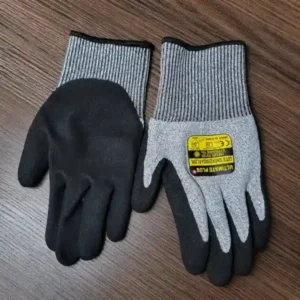
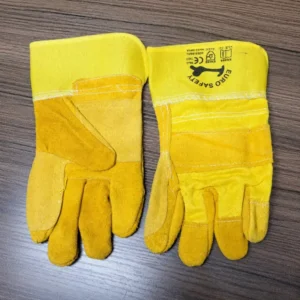
Explore the Bansi Suppliers Hand Protection Hub
Use these pages to move from general hand protection into specific glove types, industries and buying requirements.
Safety Gloves Kenya
Main commercial page for safety gloves, workplace applications and purchasing options.
Safety Gloves Kenya →Industrial Safety Gloves
Hand protection for factories, workshops, warehouses and industrial operations.
Industrial Gloves →Types of Safety Gloves
Compare glove types and understand where different hand-protection options may be used.
Compare Glove Types →Construction Safety Gloves
Hand-protection guidance for contractors, construction workers and site teams.
Construction Gloves →Safety Gloves for Factories
Glove selection for manufacturing, production, maintenance and factory departments.
Factory Gloves →Safety Gloves in Nairobi
Local buying guide for safety-glove enquiries, prices and supply in Nairobi.
Nairobi Glove Supply →Chemical-Resistant Gloves
Specialist hand-protection category for suitable chemical-handling requirements.
Chemical Gloves →Electrical Gloves
Specialist electrical hand protection for properly specified live-working requirements.
Electrical Gloves →Hand Protection PPE Supplier Kenya – Frequently Asked Questions
Practical questions for procurement teams, safety officers, contractors and workplace buyers.
What is hand protection PPE?
Hand protection PPE includes safety gloves and other protective hand equipment selected to reduce exposure to identified workplace hazards such as cuts, chemicals, heat, cold, abrasion and electrical risks.
Does Bansi Suppliers supply safety gloves in Kenya?
Yes. Bansi Suppliers supports individual, corporate, contractor, institutional and project requirements for safety gloves and workplace hand protection.
Which glove is best for construction work?
The answer depends on the task. Rough handling may use suitable leather or coated gloves, while identified sharp-edge hazards may require properly rated cut-resistant gloves.
Which gloves are suitable for factories?
Factories may require different gloves for assembly, maintenance, handling, fabrication, cleaning, packing and specialist processes. Select by department and hazard.
Which gloves are suitable for warehouses?
Warehouse requirements may include gloves for cartons, pallets, loading, picking, packing, sharp edges and maintenance. Grip, abrasion resistance and dexterity should match the task.
What gloves protect against cuts?
Use cut-resistant gloves with a documented cut-performance level appropriate to the identified sharp-edge or blade hazard. Not every coated or fabric glove is cut resistant.
Are leather gloves cut resistant?
Leather can provide useful abrasion and handling protection, but do not assume a leather glove has a particular cut rating unless the exact product documentation confirms it.
Which gloves are suitable for chemical handling?
It depends on the exact chemical, concentration and exposure. Check the glove manufacturer's compatibility information rather than choosing only by material name.
Are nitrile gloves resistant to every chemical?
No. Nitrile performance varies by chemical, glove thickness, formulation and exposure. Verify compatibility for the exact substance and glove model.
Are PVC gloves chemical resistant?
Some PVC gloves provide useful protection against selected substances, but PVC is not suitable for every chemical. Check the exact product compatibility information.
Which gloves are suitable for welding?
Welding may require longer leather or specialist gloves selected for heat, sparks, abrasion and the exact welding process. Ordinary general-purpose gloves should not automatically be treated as welding gloves.
Which gloves are suitable for cold rooms?
Cold-room gloves should be selected according to temperature, exposure duration, moisture, grip and dexterity. Insulation requirements can differ between chilled and freezer environments.
Can ordinary rubber gloves be used for electrical work?
No. Electrical insulating gloves are specialist PPE. Use only properly specified and documented electrical gloves appropriate to the electrical task and safe-work procedure.
What is EN 388?
EN 388 is a commonly used standard for protective gloves against mechanical risks. It evaluates properties such as abrasion, cutting, tearing and puncture performance.
What is EN ISO 374?
EN ISO 374 relates to protective gloves against chemicals and/or micro-organisms. Buyers should check the exact glove marking and tested chemical performance.
What is EN 407?
EN 407 addresses protective gloves for heat and/or fire-related risks. The exact performance levels depend on the product and tests claimed.
What is EN 511?
EN 511 is used for protective gloves against cold, including performance relating to convective cold, contact cold and water penetration.
What is IEC 60903?
IEC 60903 applies to electrical insulating gloves and mitts for live working. The correct class and use conditions must be determined by the electrical-safety requirement.
Are gloves always safe around machinery?
No. Gloves can create entanglement hazards around certain rotating or moving machinery. Follow the workplace risk assessment, guarding and operating procedure.
Do glove sizes matter?
Yes. Correct fit affects comfort, grip, dexterity and control. Corporate orders should include size quantities where the glove is supplied in multiple sizes.
Can we request gloves in bulk?
Yes. Submit glove types, specifications, quantities, sizes where applicable and delivery location for structured corporate pricing.
Can we upload an RFQ or BOQ?
Yes. Procurement teams can upload an RFQ, BOQ, Excel sheet, PDF or procurement schedule for quotation review.
Can gloves be quoted with other PPE?
Yes. Safety gloves can be included with safety footwear, helmets, workwear, respirators, eye protection and other workplace PPE in one requirement.
Can we standardise glove types by department?
Yes. Where job roles share the same assessed hazards, companies can create approved glove specifications for different departments or worker groups.
How do we request the current price of safety gloves?
Send the glove type or product link, required specification, quantity and sizes where applicable. For several items, submit the full procurement list.
Request Hand Protection PPE Pricing in Kenya
Send the worker task, identified hazard, required glove or specification, quantity, sizes where applicable, delivery location and required date.
If you do not know the exact glove model, describe the work activity and hazard first so the enquiry can begin with the correct selection criteria.
Bansi Suppliers — Source. Supply. Succeed.