Food Processing PPE Supplier in Kenya – Food Factory Safety & Hygiene Equipment
Bansi Suppliers supplies food processing PPE in Kenya for food manufacturers, beverage companies, bakeries, dairy processors, meat-processing facilities, cold stores and commercial food operations.
Source gloves, gumboots, safety footwear, protective workwear, aprons, cold-room PPE, eye and face protection, respiratory protection and other task-specific PPE.
Organise requirements by production area, employee role, hazard, hygiene requirement, employee size and technical specification.
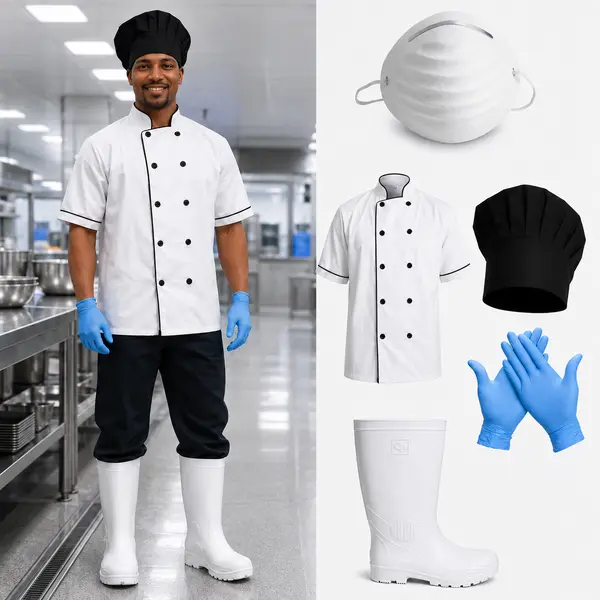
PPE Built Around Food-Processing Work Areas
Food-processing operations can contain wet floors, sharp tools, machinery, cold environments, hot surfaces, cleaning chemicals and airborne ingredients.
The PPE requirement should therefore reflect the employee's actual task, identified workplace hazard and applicable hygiene procedure.
Production, sanitation, packing, cold-room, warehouse and maintenance teams may require different PPE.
Browse PPE for Food Processing Workers
Start with the core PPE categories below. Final selection should reflect the work activity, hazard, hygiene requirement and exact product specification.
Food Processing & Workplace Gloves
Browse gloves for suitable food handling, processing, cold-room, cleaning and maintenance applications.
-
Hand Protection, Safety Equipment Suppliers In Kenya, Safety Gloves, Safety Items
Cold Resistant Gloves
Original price was: KSh2,000.KSh1,200Current price is: KSh1,200. + VAT -
Cold Room Gloves Kenya, Hand Protection, Safety Equipment Suppliers In Kenya, Safety Gloves, Safety Items
Cold Room Safety Gloves
Original price was: KSh1,500.KSh1,200Current price is: KSh1,200. + VAT -
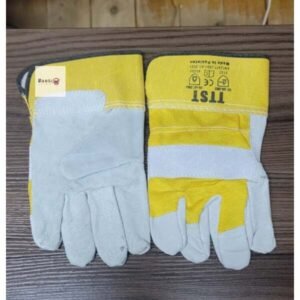
Hand Protection, Leather Gloves In Kenya, Safety Equipment Suppliers In Kenya, Safety Gloves, Safety Items
Construction Leather Gloves
Original price was: KSh350.KSh300Current price is: KSh300. + VAT -
Cut Resistant Gloves, Hand Protection, Safety Equipment Suppliers In Kenya, Safety Gloves, Safety Items
Cut Resistant Gloves
Original price was: KSh800.KSh600Current price is: KSh600. + VAT -
Diamond Grip Gloves in Kenya, Hand Protection, Safety Equipment Suppliers In Kenya, Safety Gloves, Safety Items
Diamond Grip Gloves
Original price was: KSh500.KSh280Current price is: KSh280. + VAT -
Diamond Grip Gloves in Kenya, Hand Protection, Safety Equipment Suppliers In Kenya, Safety Gloves, Safety Items
Diamond Grip Gloves Price in Kenya
Original price was: KSh400.KSh280Current price is: KSh280. + VAT -
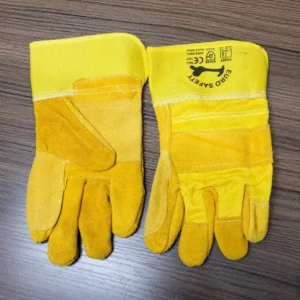
Hand Protection, Leather Gloves In Kenya, Safety Equipment Suppliers In Kenya, Safety Gloves, Safety Items, Welding Gloves
Double Palm Leather Gloves Kenya
Original price was: KSh500.KSh300Current price is: KSh300. + VAT




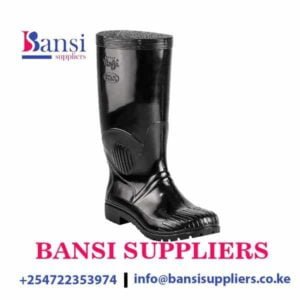
Food Processing Gumboots
Browse gumboots for suitable wet-floor, wash-down, processing, sanitation and cold-area work.
-
Foot Protection, Gumboots, Safety Equipment Suppliers In Kenya, Safety Items
Adix Gumboots
Original price was: KSh2,500.KSh1,500Current price is: KSh1,500. + VAT -
Foot Protection, Gumboots, Safety Equipment Suppliers In Kenya, Safety Items
Cp Light Duty Black Gumboots
Original price was: KSh1,500.KSh800Current price is: KSh800. + VAT -
Foot Protection, Gumboots, Safety Equipment Suppliers In Kenya, Safety Items
Gumboots Price
Original price was: KSh2,800.KSh1,100Current price is: KSh1,100. + VAT -
Foot Protection, Gumboots, Safety Equipment Suppliers In Kenya, Safety Items
Gumboots Price In Kenya
Original price was: KSh1,500.KSh800Current price is: KSh800. + VAT -
 Foot Protection, Gumboots, Safety Equipment Suppliers In Kenya, Safety Items
Heavy Duty Safety Gumboots
KSh1,500 + VATSelect options This product has multiple variants. The options may be chosen on the product pageQuick View -
Foot Protection, Gumboots, Safety Equipment Suppliers In Kenya, Safety Items, Vaultex Industrial Safety Boots in Kenya
Steel Toe Gumboot
Original price was: KSh2,500.KSh1,600Current price is: KSh1,600. + VAT -
Foot Protection, Gumboots, Safety Equipment Suppliers In Kenya, Safety Items, Ultimate Plus Industrial Safety Boots Kenya
Ultimate Plus Safety Boots Bulk Supply Kenya
Original price was: KSh3,500.KSh2,500Current price is: KSh2,500. + VAT -
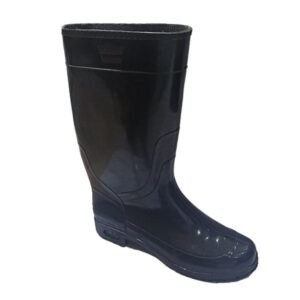
Foot Protection, Gumboots, Safety Equipment Suppliers In Kenya, Safety Items
Unisex Industrial Gumboots Black
Original price was: KSh1,500.KSh1,200Current price is: KSh1,200. + VAT




Food Factory Workwear & Protective Clothing
Browse workplace garments for suitable production, packing, sanitation and support teams.
-
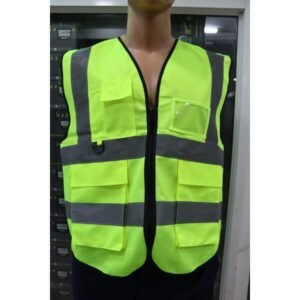
Body Protection, Reflector Jackets, Safety Equipment Suppliers In Kenya, Safety Items, Work Overalls
190gsm Light Green Reflector Vest Kenya – Corporate PPE Supply
Original price was: KSh600.KSh480Current price is: KSh480. + VAT -
Body Protection, Reflector Jackets, Safety Equipment Suppliers In Kenya, Safety Items
Affordable Reflector Vests (100 Gsm )
Original price was: KSh250.KSh220Current price is: KSh220. + VAT -
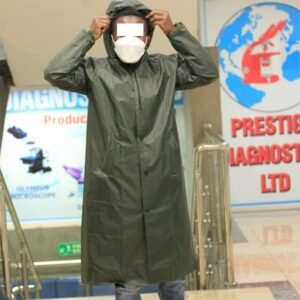
Body Protection, Raincoats, Safety Equipment Suppliers In Kenya, Safety Items
Best Raincoats Jungle Green
Original price was: KSh1,600.KSh1,400Current price is: KSh1,400. + VAT -
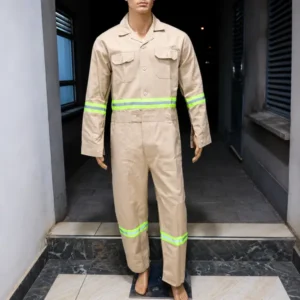
Body Protection, Safety Equipment Suppliers In Kenya, Safety Items, Work Overalls
Black Reflective Overalls
Original price was: KSh3,000.KSh2,700Current price is: KSh2,700. + VAT -
Body Protection, Reflector Jackets, Safety Equipment Suppliers In Kenya, Safety Items
Blue Executive Reflector Vest
Original price was: KSh1,200.KSh480Current price is: KSh480. + VAT -
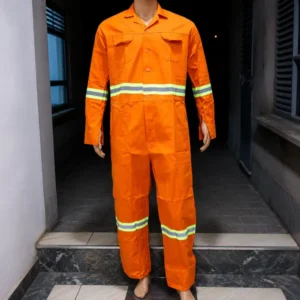
Body Protection, Reflective Overalls Supplier in Kenya, Safety Equipment Suppliers In Kenya, Safety Items, Work Overalls
Bulk Hi-Vis Overalls Kenya
Original price was: KSh1,500.KSh1,200Current price is: KSh1,200. + VAT -
Body Protection, Reflective Overalls Supplier in Kenya, Safety Equipment Suppliers In Kenya, Safety Items, Work Overalls
Construction Reflective Overalls Supplier
Original price was: KSh1,500.KSh1,200Current price is: KSh1,200. + VAT




Need Several PPE Categories?
Combine gloves, gumboots, workwear, aprons, cold-room PPE, eye protection and other food-factory PPE within one requirement.
Organise PPE by Work Area & Employee Role
Different departments can have different hazards, hygiene controls and PPE specifications.
Processing & Production
Gloves, footwear, protective garments and task-specific protection for processing activities.
Packing Teams
PPE for packing, labelling and finished-product handling.
Cold-Room Workers
Suitable hand, body and footwear protection for chilled and frozen areas.
Cleaning & Sanitation
PPE selected according to detergents, sanitizers, wash-down work and chemical exposure.
Warehouse & Dispatch
PPE for storage, material handling, cold-chain movement and dispatch work.
Engineering & Maintenance
Task-specific PPE for mechanical, electrical, fabrication and servicing activities.
PPE Categories for Food Processing Companies
Select each PPE category according to the employee's task, hazard and required specification.
Safety & Disposable Gloves
Hand protection for handling, processing, cleaning, cutting and cold-area tasks.
Safety Gloves →Safety Gumboots
Waterproof footwear for suitable wet, wash-down and sanitation environments.
Safety Gumboots →Food Factory Workwear
Dust coats, overalls and suitable workplace garments for food-factory teams.
Workwear →Protective Clothing
Aprons and protective garments for production, cleaning and technical work.
Protective Clothing →Eye & Face Protection
Protection for splash, chemical, processing and maintenance hazards.
Eye Protection →Respiratory Protection
Respiratory PPE for identified dust, powder, mist and airborne hazards.
Respirators →Hearing Protection
Ear plugs and ear muffs for applicable noisy production areas.
Hearing Protection →Chemical PPE
PPE for specified sanitation, cleaning and chemical-handling work.
Chemical PPE →Complete PPE Range
Explore the wider Bansi Suppliers workplace PPE range.
Complete PPE Supply →Disposable & Protective Gloves for Food Processing
Food-processing teams may use nitrile, polythene, cut-resistant, cold-room, handling or cleaning gloves depending on the task.
Glove material alone does not confirm suitability for direct food contact.
Where food-contact suitability is required, procurement or quality teams should verify the exact manufacturer's documentation for the intended application.
Compare Food-Handling Glove Materials
Use the specialist guides where you need more detail about food-handling glove materials.
Gumboots & Safety Footwear
Wet floors, wash-down areas, cold rooms, warehouses and production environments may require different footwear.
Colour alone does not establish food-contact suitability, slip performance or chemical resistance.
Include employee sizes, quantity and the required footwear specification.
Workwear, Protective Clothing & Aprons
Food-processing companies may need workplace garments for production, packing, sanitation, maintenance and cold-area teams.
Requirements may include dust coats, overalls, aprons and other protective garments.
Do not assume a general garment is food-contact suitable, waterproof or chemical-resistant unless its specification supports that claim.
PPE for Chilled, Freezer & Cold-Storage Workers
Cold stores, freezers and chilled production areas may require additional protection according to temperature, exposure duration and work activity.
Requirements may include cold-room gloves, thermal garments and suitable workplace footwear.
Select cold-environment PPE from the actual temperature, exposure duration, floor conditions and work performed.
PPE for Food Factory Sanitation Teams
Sanitation workers may handle detergents, disinfectants, sanitizers, wash-down equipment and concentrated cleaning products.
Chemical compatibility depends on the actual substance, concentration, PPE material, contact duration and conditions of use.
Avoid generic descriptions such as “chemical-proof gloves.” Include the actual chemical or required PPE specification where compatibility matters.
Match PPE to the Actual Food-Factory Hazard
Cutting & Sharp-Tool PPE
Meat processing, vegetable preparation, trimming, deboning and maintenance can involve knives or blades.
Cut-resistant gloves should match the actual task, required dexterity, grip and specification.
Dust, Powder & Airborne Contaminants
Flour, powdered ingredients, cleaning and maintenance can create airborne hazards.
Respiratory PPE should match the identified contaminant and required filter or cartridge configuration.
Hearing PPE for Noisy Production Areas
Production machinery, compressors, packaging lines and maintenance equipment can create significant noise.
Hearing protection should reflect the actual noise exposure and required attenuation.
Food Processing PPE Across Different Sectors
PPE requirements differ according to processing method, equipment, temperature, hygiene procedure and workplace hazard.
Dairy Processing
Production, sanitation, cold-storage, packing and maintenance PPE.
Meat Processing
Protection around cutting, cold, wet work, handling and sanitation.
Bakeries
PPE for production, powder handling, heat, packing and cleaning.
Beverage Companies
PPE for bottling, production, sanitation, warehouse and technical teams.
Frozen Food Processing
Cold-room and handling PPE according to temperature and work activity.
Fruit & Vegetable Processing
PPE for washing, cutting, sorting, packing and cold storage.
Grain & Flour Processing
PPE selected around dust, machinery, handling and production tasks.
Confectionery
Workplace protection for preparation, production and packing.
Commercial Food Production
PPE for central kitchens, catering production and institutional food facilities.
Give Suppliers Enough Information to Match the PPE
Food-processing PPE can differ by glove material, footwear specification, workwear construction, chemical compatibility, employee size and purchasing unit.
Include the important technical details in your requirement so quotation comparisons are based on comparable products.
Need Food Processing PPE in Large Quantities?
Large food-processing companies can consolidate PPE for several departments and employee groups.
Use the dedicated Bulk PPE page when high-volume workforce supply is the dominant purchasing intent.
Regularly Reordering Gloves, Gumboots or Workwear?
Disposable PPE is consumed, while reusable PPE can become worn, damaged or due for replacement.
Use the PPE Supply Contract route for established PPE requirements requiring recurring replenishment.
Move to a Specialist Route When the Requirement Changes
Food Processing PPE remains the specialist page for worker protection in food and beverage operations.
Manufacturing PPE
Broader factory, production, engineering and industrial PPE.
Chemical PPE
Specialist chemical and sanitation protection requirements.
PPE Procurement
Formal RFQs, BOQs, specifications and PPE schedules.
Bulk PPE
High-volume workforce and major PPE requirements.
PPE Supply Contract
Recurring and standardised PPE replenishment.
Corporate Procurement
Use this route when the requirement contains PPE plus cleaning, office, first aid or other supplies.
Food Processing PPE Supplier Kenya – FAQs
Does Bansi Suppliers supply PPE to food-processing companies?
Yes. Food processors, beverage companies, bakeries, dairy processors, meat processors and cold stores can submit requirements.
What PPE is used in food-processing factories?
Requirements may include gloves, gumboots, workwear, aprons, eye protection, cold-room PPE and other task-specific protection.
Do you supply disposable gloves for food handling?
Yes. Requirements can be submitted according to glove material, size, quantity and food-contact specification.
Are all nitrile gloves suitable for food handling?
No. Material alone does not establish suitability. Verify the exact manufacturer's documentation.
Are all white gumboots food grade?
No. Colour alone does not establish food-contact suitability or technical performance.
Do you supply PPE for sanitation teams?
Yes. PPE should be selected according to the chemical, exposure and cleaning procedure involved.
Do you supply cold-room PPE?
Yes. Requirements can be organised according to temperature, exposure duration, work activity and employee size.
Can different departments use different PPE?
Yes. Production, packing, sanitation, cold-room, warehouse and maintenance teams can have different requirements.
Can food-processing PPE be supplied in bulk?
Yes. Larger workforce requirements can use the dedicated Bulk PPE Supply route.
Can recurring food-processing PPE be organised?
Yes. Established PPE can move into the PPE Supply Contract route for recurring replenishment.
Request a Food Processing PPE Quotation
Send the departments, worker activities, PPE products, food-contact requirements where applicable, employee sizes, technical specifications, quantities and delivery location.
Request one PPE category or submit a complete requirement covering production, packing, sanitation, cold-room, warehouse and maintenance teams.
Bansi Suppliers — Source. Supply. Succeed.