Industrial Safety Equipment in Kenya
Explore industrial safety equipment in Kenya for factories, engineering operations, warehouses, construction projects, processing plants, utilities, workshops and other technical workplaces.
Industrial safety equipment can include safety footwear, helmets, protective gloves, eye and face protection, respiratory PPE, hearing protection, protective clothing, chemical PPE, fall-protection equipment, fire-safety products and workplace first-aid equipment.
The correct equipment should be selected according to the worker task, identified hazard, exposure conditions, workplace assessment and required technical specification.
What Is Industrial Safety Equipment?
Industrial safety equipment includes products used to help protect workers from identified workplace hazards and support safer industrial operations.
The required equipment differs according to the work activity, environment, identified hazard and level of protection required.
Personal Protective Equipment
Equipment worn by workers, including helmets, gloves, protective footwear, respirators, eyewear and protective clothing.
Workplace Safety Products
Safety products supporting workplace operations, emergency preparedness, visibility and hazard control.
Specialist Protection
Products selected for particular hazards such as chemicals, electrical work, respiratory exposure or work at height.
Explore Industrial Safety Equipment Categories
Start with the type of protection required for the workplace hazard, employee task or technical application.
Industrial Safety Footwear
Safety boots, safety shoes and protective workplace footwear for industrial applications.
Explore Safety Footwear →Safety Helmets
Head protection for suitable impact, falling-object and other identified hazards.
Explore Safety Helmets →Industrial Safety Gloves
Hand protection for handling, cutting, chemicals, heat, electrical and other specialist tasks.
Explore Safety Gloves →Eye & Face Protection
Safety spectacles, goggles and face protection for identified workplace hazards.
Explore Eye Protection →Respiratory Protection
Disposable and reusable respirators, filters and cartridges for identified airborne hazards.
Explore Respirators →Hearing Protection
Ear plugs and ear muffs for workplaces where hearing protection is required.
Explore Hearing Protection →Protective Clothing
Protective garments for industrial, chemical, maintenance and workplace applications.
Explore Protective Clothing →Fall Protection & Height Safety
Harnesses, lanyards, lifelines, anchors and related work-at-height safety equipment.
Explore Height Safety →Safety Gumboots
Protective footwear for suitable wet, washdown, agricultural and industrial environments.
Explore Safety Gumboots →Chemical PPE
Body, hand, eye, respiratory and footwear protection for identified chemical exposures.
Explore Chemical PPE →Fire Safety Equipment
Fire extinguishers and related workplace fire-preparedness products.
Explore Fire Safety →First Aid Equipment
Workplace first-aid kits, refills, eye-wash products, stretchers and emergency supplies.
Explore First Aid →Choose Industrial Safety Equipment by Hazard
Start with the worker task and identified hazard rather than selecting PPE from a generic checklist.
Falling & Overhead Objects
Suitable head protection and, where required, protective footwear may form part of the controls.
Sharp Materials & Edges
Hand and body protection should be selected according to the material, tool and work activity.
Dust, Mist, Fumes, Gas & Vapour
Respiratory protection should match the actual airborne contaminant, exposure and required filter or cartridge.
Workplace Noise
Hearing protection may be required where workplace assessment identifies harmful noise exposure.
Chemical Exposure
Chemical PPE may include suitable gloves, clothing, eye protection, respirators and footwear.
Eye & Face Hazards
Flying particles, grinding, splash, cutting and hot work can require suitable eye or face protection.
Work at Height
A harness alone is not a complete fall-protection system.
Electrical Hazards
Specialist electrical PPE should match the electrical hazard, required rating, work method and product specification.
Wet & Washdown Areas
Gumboots, gloves and suitable protective clothing may be required according to the work environment.
Low Visibility & Vehicle Movement
High-visibility clothing can support worker visibility around vehicles, plant and loading areas.
Heat, Sparks & Hot Work
Welding, cutting and hot-work activities may require suitable hand, body, eye, face and respiratory protection.
Emergency Response
First-aid and fire-safety equipment should support the workplace emergency plan.
PPE Should Support Other Workplace Controls
Personal protective equipment should complement appropriate engineering controls, machine guarding, isolation procedures, safe systems of work, training and supervision.
PPE should not automatically be used as a substitute for eliminating or reducing a workplace hazard where other controls are required.
PPE Around Moving Machinery Requires Careful Selection
Gloves, jewellery, loose garments and other items can create entanglement risks around rotating or moving machinery.
Before selecting PPE for machine-related work, review the machine, worker interaction, pinch points, rotating components, guarding and approved workplace procedure.
Generic PPE Names Are Not Enough
A safety boot, industrial glove, respirator, helmet or harness can have very different performance characteristics.
Where a company, workplace or tender requires a particular specification, verify the exact product documentation.
Safety Footwear
Consider toe protection, penetration resistance, slip requirements, outsole properties and workplace conditions.
Safety Helmets
Consider impact protection, retention, suspension, electrical requirements and accessory compatibility.
Safety Gloves
Consider cut, abrasion, puncture, chemical, heat, grip, dexterity and entanglement risks.
Respirators
Identify the contaminant, exposure conditions, respirator type, required filter or cartridge and fit requirements.
Eye Protection
Match safety spectacles, goggles or face protection to the actual eye or face hazard.
Fall Protection
Consider body support, connectors, anchorage, fall clearance, compatibility, inspection and rescue requirements.
Chemical PPE Must Match the Exact Substance
Chemical PPE suitability can depend on the substance, concentration, exposure route, contact conditions and duration.
Do not automatically assume that a product is suitable simply because it is described as waterproof, rubber, PVC or chemical resistant.
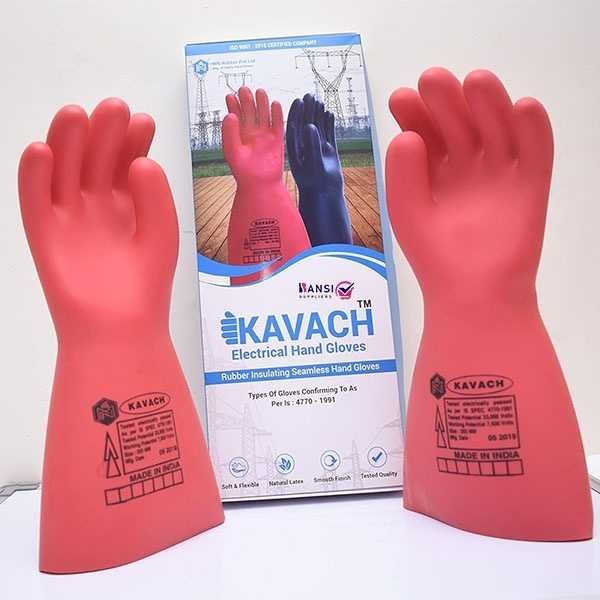
Electrical PPE Must Match the Required Rating
Ordinary rubber gloves, standard helmets, normal safety footwear and regular workwear should not automatically be treated as electrical insulating PPE.
Where specialist electrical protection is required, verify the exact rating, class, applicable standard and product documentation.
Match the Respirator to the Airborne Hazard
Dust, mist, fume, gas and vapour are different airborne hazards.
The respirator, filter or cartridge should be selected according to the identified contaminant, exposure conditions and manufacturer requirements.
A Harness Alone Is Not a Complete Fall-Protection System
Planned work at height can require compatible body support, connectors, anchorage, energy-absorbing components, sufficient clearance and a rescue arrangement.
Equipment should be selected as part of the overall work-at-height system.
Industrial Safety Equipment Across Different Sectors
Industry provides context, but final PPE selection should still reflect the actual worker task, workplace hazard and required specification.
Construction & Infrastructure
PPE and site-safety products for contractors, civil works, infrastructure projects and construction teams.
Construction PPE →Manufacturing & Production
PPE for production, maintenance, engineering, cleaning and factory-support teams.
Manufacturing PPE →Warehousing & Logistics
Safety equipment for receiving, stores, picking, loading, dispatch and material handling.
Warehouse PPE →Agriculture & Flower Farms
PPE for field teams, greenhouse workers, spraying, harvesting, packhouses and farm maintenance.
Flower Farm PPE →Food Processing
Workplace PPE for food production, sanitation, cleaning, cold areas and maintenance.
Food Processing PPE →Cleaning & Facilities
PPE for suitable cleaning, sanitation and facility-maintenance activities.
Cleaning PPE →One Industrial Workplace Does Not Mean One PPE Kit
Different departments may face very different hazards even within the same factory, plant or industrial facility.
Production
PPE based on production tasks, processes, machinery, materials and identified exposures.
Engineering
Protection for fabrication, installation, inspection and technical operations.
Maintenance
PPE for servicing, repairs, workshop operations and facility maintenance.
Warehouse & Stores
Safety products for handling, storage, forklift areas, vehicle movement and dispatch.
Cleaning & Sanitation
PPE selected according to cleaning products, splash exposure, wet work and cleaning method.
Utilities
Specialist PPE according to electrical, mechanical, water, energy and facility-support tasks.
Need Safety Equipment Organised Per Worker?
If the requirement is to combine footwear, clothing, gloves, helmets, eye protection and other approved PPE into worker-specific combinations, use the Complete PPE Kits page.
Kits can be organised by employee role, department, clothing size, footwear size and work location.
Looking for Industrial Safety Equipment?
Stay on this page when you are identifying the relevant PPE category, workplace hazard or specialist safety product area.
Need an Industrial Safety Equipment Supplier?
For company quotations, workforce quantities, project supply, RFQs and industrial procurement support, use the dedicated supplier page.
Choose the Right Industrial PPE Procurement Route
Once the required equipment and specification are known, move to the purchasing route that matches your requirement.
Simple Product Requirement
You know the products, specifications and quantities and need a quotation.
RFQ, BOQ or Excel Schedule
Upload your complete procurement document for structured quotation support.
Large Industrial PPE Requirement
Use the Bulk PPE route where the main requirement is high-volume workforce, project or mobilisation quantities.
Detailed PPE Procurement
Use PPE Procurement for specification-led, document-based corporate purchasing.
Complete Employee Kits
Organise approved PPE per worker, role, department, size and location.
Recurring PPE Supply
Standardised PPE requiring regular replenishment can move into recurring supply.
Industrial Safety Equipment Kenya – FAQs
What is included in industrial safety equipment?
Industrial safety equipment can include safety footwear, helmets, gloves, eye protection, respirators, hearing protection, protective clothing, fall protection, fire-safety products and first-aid equipment.
How should industrial PPE be selected?
Start with the worker task and identified hazard. Then determine the protection and technical specification required.
Is one PPE kit suitable for every industrial worker?
No. PPE requirements can differ between production, engineering, maintenance, warehouse, cleaning and other departments.
Are all safety gloves suitable for the same task?
No. Glove material, construction and performance should match the task and identified hazard.
Can one respirator protect against every airborne hazard?
No. Respiratory protection should match the contaminant, exposure conditions, respirator type and filter or cartridge requirement.
Is a safety harness a complete fall-protection system?
No. A complete system may also require suitable connectors, anchorage, adequate clearance, compatible components, inspection and rescue planning.
How should chemical PPE be selected?
Consider the exact substance, concentration, type of contact, exposure conditions and required product specification.
Can industrial safety equipment be purchased in bulk?
Yes. Large workforce, project and mobilisation requirements can be submitted through the Bulk PPE route.
Can different departments be included in one quotation?
Yes. Production, engineering, warehouse, maintenance, cleaning and other department requirements can be consolidated.
Where should we request an industrial PPE quotation?
Use the dedicated Industrial Safety Equipment Suppliers page for company RFQs, quantities and procurement support.
Find the Right Safety Equipment for Your Workplace
Start with the employee task, workplace hazard and protection required. Then identify the relevant PPE category and specification.
When you are ready to buy, submit your products, quantities, sizes, technical specifications and delivery location for quotation.
Bansi Suppliers — Source. Supply. Succeed.