Everything You Need to Know About Safety Shoes
Everything You Need to Know About Safety Shoes: Features, Types, and Standards
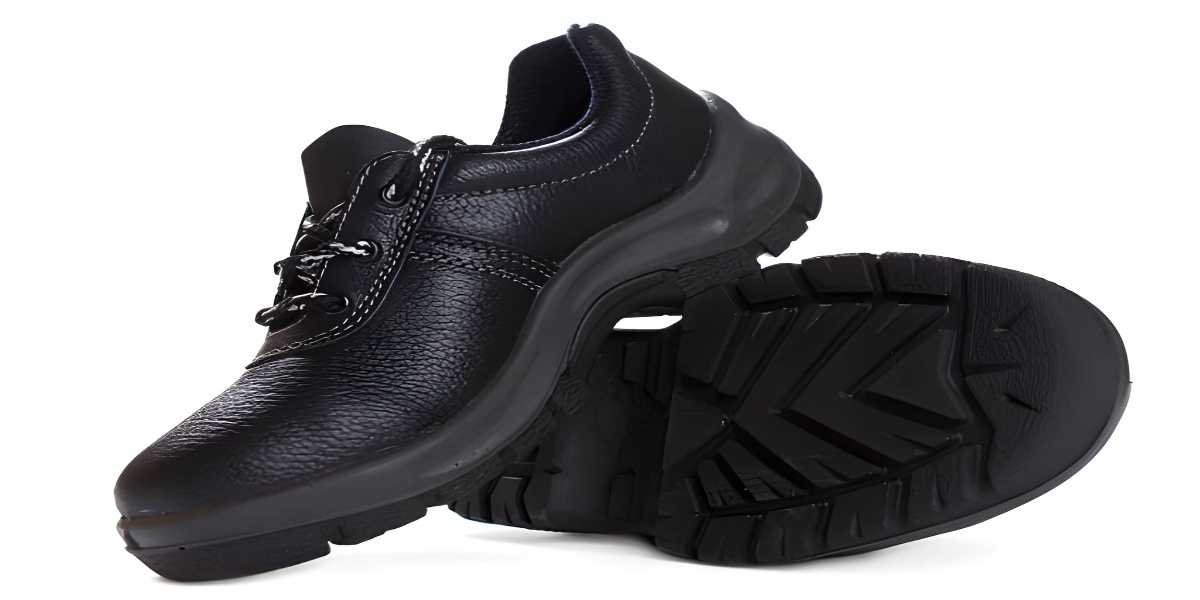
Foot injury is one of the most frequent workplace accidents, particularly in the construction, warehousing, manufacturing, and mining industries. Tripping, slipping, falling objects, and sharp edges are everyday hazards. That is where safety shoes come in.
By 2025, the safety shoe will have developed even further than the heavy boot. Why not have style, comfort, and modern protection technologies in one design? Whether steel-toe or electrical resistant footwear, each industry has its own footwear needs.
At Bansi Suppliers, we supply certified safety shoes that align with international standards and ensure your team is safe. This article will discuss everything you need to know about safety shoes and their characteristics, types, and standards.
Why Safety Shoes Are Essential
Safety shoes are not ordinary shoes, but they are life-saving protective equipment. The benefits include:
- Protection from falling objects
- Slip and puncture resistance
- Electrical hazard protection
- Support and comfort for long shifts
- Compliance with workplace safety regulations
Companies save money by buying appropriate safety shoes to prevent accidents at the workplace and expensive injuries.
Key Features of Safety Shoes
- Toe Protection
- Steel Toe: Maximum protection from heavy impact.
- Composite Toe: Lightweight, metal-free alternative for industries with metal detectors.
- Slip-Resistant Soles
Eliminates mishaps on wet or oily floors, mainly common in warehouses and factories. - Puncture-Resistant Midsoles
Helps to prevent cuts from nails or sharp metal. - Electrical Resistance
Electric shock prevention shoes are used in high-voltage situations. - Heat and Cold Resistance
Workers working in extreme temperatures are covered with special shoes. - Comfort and Ergonomics
Long working hours are more comfortable with padded insoles, breathable linings, and lightweight materials.
Types of Safety Shoes
1. Steel Toe Boots
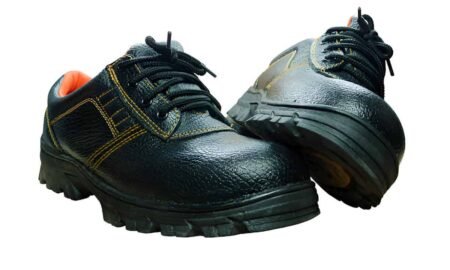
The most used one is to prevent falling objects and compression injuries. Ideal for building and heavy construction.
2. Composite Toe Shoes
These are lightweight shoes, made of materials such as fiberglass or carbon fiber, and can be used by workers when security is a factor.
3. Electrical Hazard (EH) Shoes
Works against electric shocks, usually employed by electricians and utility men.
4. Slip-Resistant Shoes
They are specifically made to be used in industries such as food processing and warehousing, where floors usually get wet.
5. Puncture-Resistant Shoes
They are fitted with either steel or Kevlar midsoles to avoid being penetrated by sharp objects.
6. Metatarsal Guard Shoes
Gives further protection to the upper section of the foot, above the toes.
7. Waterproof and Heat-Resistant Boots
Useful in the mines, foundries, or outdoor work in harsh conditions.
Safety Standards for Safety Shoes
When buying safety footwear, it is essential to ensure it meets industry standards. A few of the standard certifications are:
- EN ISO 20345 (Europe): Establishes a criterion related to impact resistance, slip resistance, and durability.
- ASTM F2413 (USA): Protection of toes, compression, and electrical hazards.
- ISI/BIS (India): Sorts out the safety footwear that complies with local safety standards at the workplace.
The shoes with such certifications ensure the proper performance and safety of workers.
Choosing the Right Safety Shoes
In choosing the protective footwear of your team, you may want to consider:
- Industry Needs – construction sites might require steel-toe shoes, and electricians require EH-rated shoes.
- Work Environment – wet floors need soles that are not slippery; chemical industries need chemical-resistant shoes.
- Comfort and Fit – these shoes take a lot of time on the feet of workers, hence cushioning and breathability are essential.
- Durability – Use materials like leather or high-grade synthetics to achieve longer life.
Why Bansi Suppliers is Your Trusted Safety Shoe Partner
We know that the appropriate footwear can impact safety and productivity at Bansi Suppliers. Our safety shoes are:
- Certified under EN ISO, ASTM, and ISI standards
- Comes in steel toe, composite toe, slip-resistant, and EH.
- Made to be comfortable and durable.
- Affordable and available in bulk for businesses of all sizes
We also keep specialist construction, manufacturing, mining, and electrical work footwear; every industry can have the appropriate protective equipment.
Conclusion
Safety shoes are also essential to PPE, providing safety against various workplace dangers. Businesses can make sound decisions to protect their workforce by knowing the features, types, and standards.
The safety shoes of 2025 are more comfortable, reliable, and advanced than those of the past. Collaborate with Bansi Suppliers to find quality certified safety footwear, which will keep your team safe and comply with the regulations.










Leave a Reply