Everything You Need to Know About Personal Protective Equipment (PPE) Safety
Understanding the Importance of PPE Safety
Personal Protective Equipment (PPE) plays an important part in workplace safety. It acts as a shield to avoid potential perils, limiting the possibility of injuries, illnesses, and infections. From protection against hazardous chemicals to limiting exposure to infectious diseases, PPE is vital in protecting employees of various industries.
What is PPE?
Personal Protective Equipment (PPE) refers to protective clothing, helmets, goggles, or other garments or equipment designed to protect the wearer’s body from injury 1 or infection. Hazards addressed by protective equipment include physical, electrical, heat, chemical, biohazards, and airborne particulate 2 matter.
What is PPE Safety?
PPE safety is the practice of using appropriate protective equipment to create a safe environment. Workplace inspections and risk assessment complement the purpose of PPE safety, which is to provide regulatory compliance and employee productivity.
Why is PPE Safety Important?
According to the National Institute for Occupational Safety and Health (NIOSH), PPE is the last line of defense in the hierarchy of controls. While it is not a substitute for eliminating hazards, PPE provides crucial benefits:
- Prevents workplace injuries.
- Reduces exposure to harmful substances.
- Curbs the spread of infectious diseases.
- Ensures compliance with regulations like The Personal Protective Equipment at Work Regulations 1992.
- Boosts employee efficiency and morale.
Types of PPE and Their Applications
Different types of PPE address specific hazards. Below are the primary categories, their applications, and safety tips for proper use.
 1. Face and Eye Protection
Includes goggles and face shields, which are required for operations that may generate chemical splashes, toxic sprays, or flying particles.
Safety Tips:
- Use ANSI Z87.1-compliant goggles.
- Inspect lenses for cracks or deformities.
- Clean and disinfect after use.
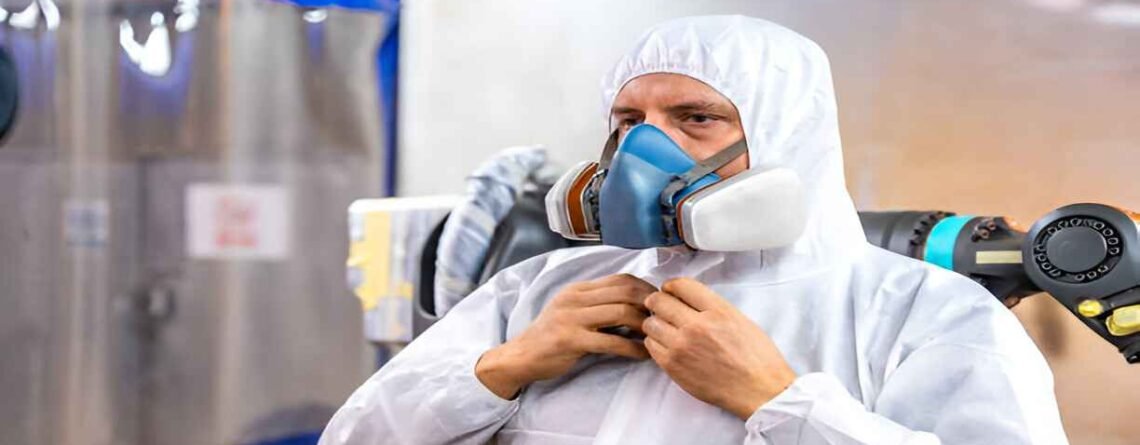
2. Respiratory Protection
It includes respirators, N95 masks, and gas masks worn to avoid inhaling harmful substances such as gases, chemicals, or biological agents.
Safety Tips:
- Ensure a proper fit and conduct fit tests.
- Replace disposable masks after each use.
- Clean and maintain reusable respirators.
3. Skin and Body Protection
This category includes protective suits, safety vests, and gloves to guard against physical, chemical, and thermal hazards.
Head Protection:
- Use hard hats for protection against falling objects.
- Replace hard hats after any impact.
Body Protection:
- Opt for heat-resistant or chemical-resistant suits as needed.
Hand Protection:
- Use gloves suited for specific tasks, such as rubber gloves for electrical work.
Safety Tips:
- Inspect for cuts, burns, or contamination.
- Replace damaged equipment promptly.
4. Foot Protection
Safety boots and knee pads protect against falling objects, hot substances, and slippery surfaces.
Safety Tips:
- Choose slip-resistant soles.
- Inspect for wear and tear regularly.
5. Hearing Protection
Ear muffs and plugs reduce noise exposure in environments with high decibel levels.
Safety Tips:
- Use well-fitting equipment.
- Ensure protectors reduce noise to safe levels.
6. Fall Protection
Safety harnesses and lanyards are critical for tasks performed at heights.
Safety Tips:
- Inspect for tears or damage.
- Replace harnesses after any fall incident.
How to Ensure Proper PPE Usage
Conduct Hazard Assessments
Start by identifying potential risks in the workplace and determining the necessary PPE.
Provide Training
Employees must be trained to:
- Properly wear and adjust PPE.
- Inspect and maintain equipment.
- Understand PPE limitations.
Regular Inspections and Maintenance
Ensure all PPE is in good condition. Damaged or worn-out equipment should be replaced immediately.
Toolbox Talks on PPE
A toolbox talk is a small discussion that trains employees about PPE usage and safety measures. Utilize templates and visual aids to increase comprehension and ensure that all workers understand the importance of PPE.
FAQs about PPE Safety
Who is responsible for providing PPE?
Employers are responsible for purchasing and maintaining PPE for their workers.
How often should PPE be replaced?
PPE should be replaced as soon as it shows signs of wear, damage, or contamination.
Can a mask be worn during physical activities?
Yes, but ensure it doesn’t compromise breathing or performance.
Are employers required to train workers on PPE use?
Yes, OSHA mandates that employers provide PPE training to ensure proper use.
Why are there strict guidelines for PPE?
Guidelines ensure PPE effectively protects against specific hazards, reducing risks and ensuring safety compliance.
Digitize Your PPE Inspections
Leverage technology to streamline safety processes. Platforms like SafetyCulture allow businesses to perform digital inspections, track compliance, and improve workplace safety efficiently.
PPE safety can be materialized by businesses for the protection of workforces, meeting regulatory challenges, and making them aware of occupational safety culture. Continue being proactive, invest in quality equipment, and educate your employees to create a safe and productive work environment.